Manganese Steel Castings

Built for demanding Industrial Applications. Explore Manganese Steel Casting solutions from Bhanu Special Castings.

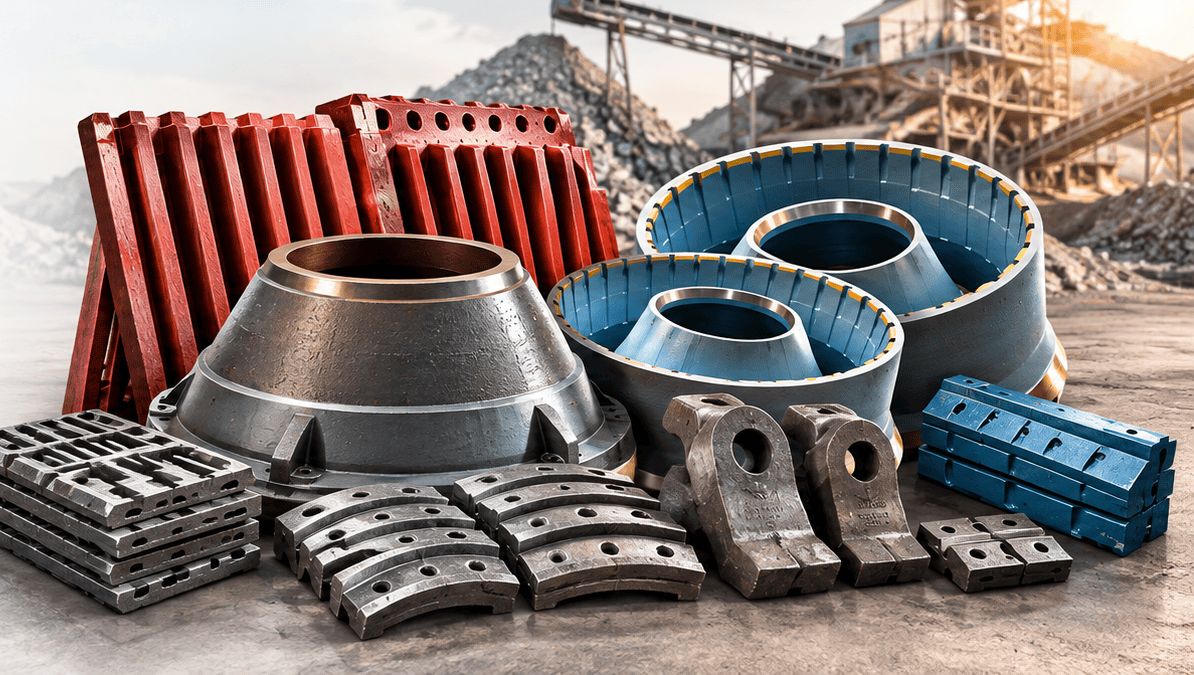
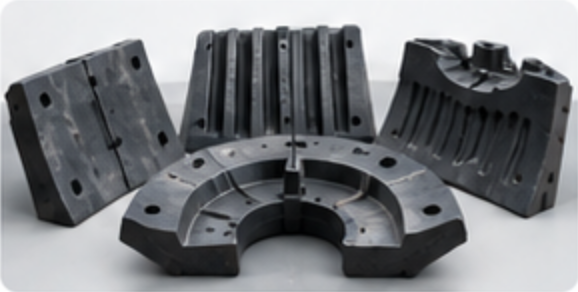
Manganese steel crusher liners, jaw plates and wear castings
About This

Why
Manganese Steel Castings?

Manganese steel castings are wear-resistant components manufactured from high-manganese alloy steel, typically designed for applications involving repeated impact, crushing, compression and abrasive contact.

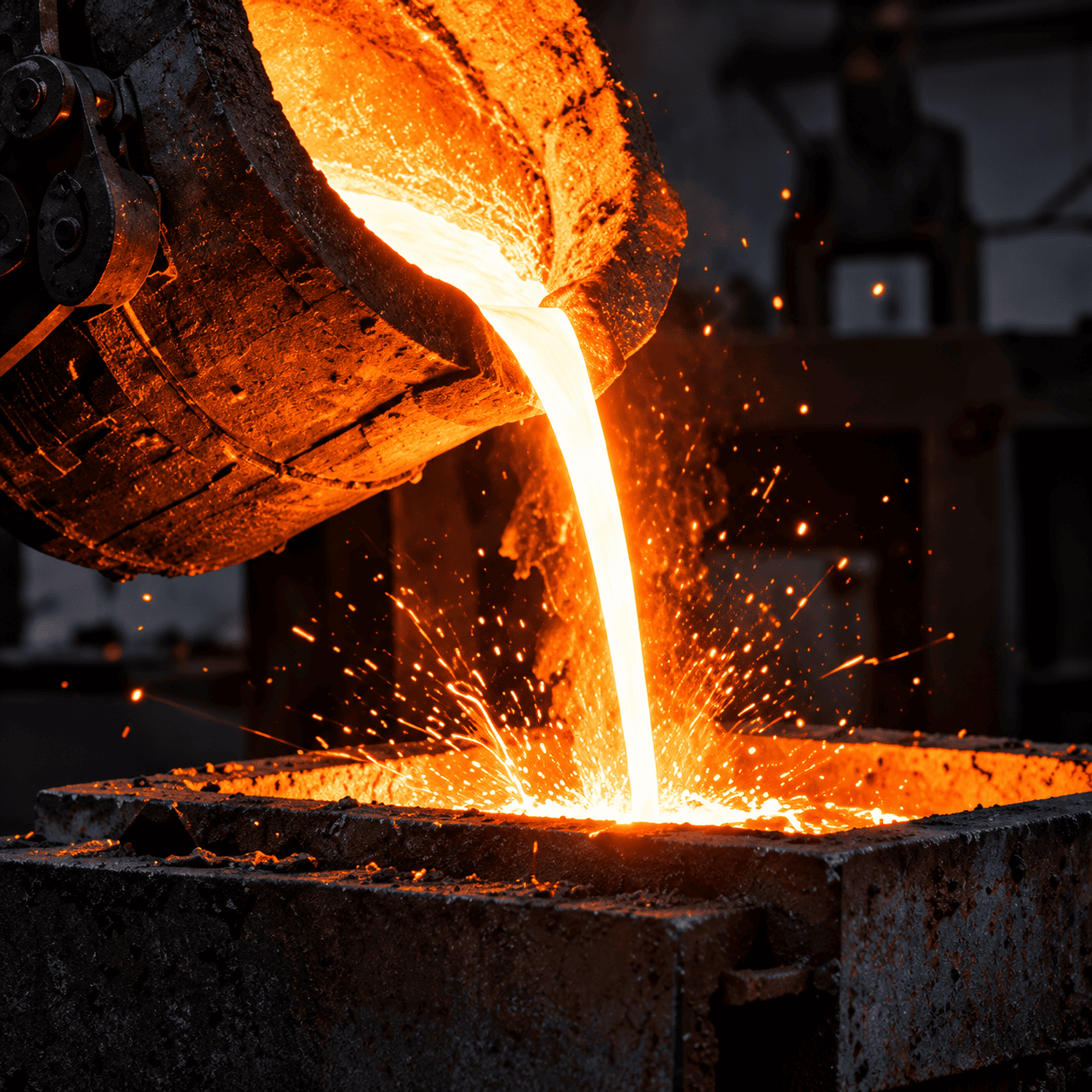
Molten metal being poured in a foundry
UNDERSTANDING

Austenitic Manganese Steel

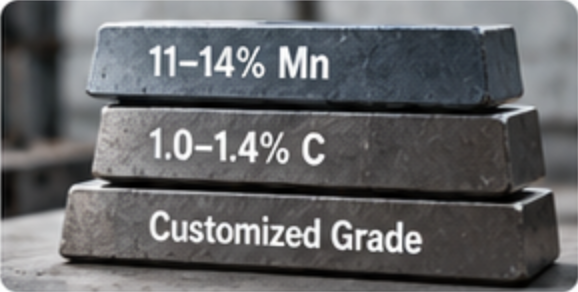
Conventional Hadfield steel generally contains approximately 11–14% manganese and 1.0–1.4% carbon, with exact chemistry depending on the selected material grade.

Following appropriate solution heat treatment and rapid cooling, the material develops a predominantly austenitic microstructure. Its distinguishing characteristic is the ability to increase surface hardness through plastic deformation during service.

PART 6 ───

Interactive Country-Wise Chemical Composition Tables

Select a country to explore its manganese steel grades and indicative chemical composition.

INDIA — STANDARD-WISE CHEMICAL COMPOSITION

IS 276:2000 — Austenitic-Manganese Steel Castings
IS 276:2000 — Table 1; composition by mass (%)
GradeC %Si %Mn %P %S %Cr %Mo %Ni %
Grade 11.05–1.35≤1.0011.0–14.0≤0.08≤0.025———
Grade 20.90–1.05≤1.0011.5–14.0≤0.08≤0.025———
Grade 31.05–1.35≤1.0011.5–14.0≤0.08≤0.0251.5–2.5——
Grade 40.70–1.30≤1.0011.5–14.0≤0.08≤0.025——3.0–5.0
Grade 51.05–1.45≤1.0011.5–14.0≤0.08≤0.025—1.8–2.1—
Grade 61.05–1.350.30–0.9016.0–19.0≤0.08≤0.025———
Grade 71.05–1.350.30–0.9016.0–19.0≤0.08≤0.0251.5–2.5——

Maximum limits are marked ≤. For Grades 1 and 3, a minimum Mn:C ratio of 10:1 is desirable. Dashes indicate no specified addition in Table 1, not zero content. Grade selection depends on section size and agreement with the purchaser. Source: IS 276:2000, Table 1.

IS 2708:1993 — 1.5% Manganese Steel Castings for General Engineering
IS 2708:1993 — Table 1; composition by mass (%)
GradeC %Si %Mn %P %S %
Grade 10.18–0.25≤0.601.20–1.60≤0.050≤0.050
Grade 20.25–0.33≤0.601.20–1.60≤0.050≤0.050
Grade 30.25–0.33≤0.601.20–1.60≤0.050≤0.050

Residual-element maxima (%): Cu 0.30; Ni 0.40; Cr 0.30; Mo + W 0.25; their total 1.00. This is a separate general-engineering material family, distinct from IS 276 austenitic manganese wear steel. Grades 2 and 3 share chemical limits but have different mechanical requirements. Source: IS 2708:1993, Table 1 and Clause 8.4.

IRS T-29 (Revised 2024) — CMS & WCMS Railway Crossings
IRS T-29 (Revised 2024) — Part A, Clause 4.1 / Part B, Clause 3.2; composition by mass (%)
ElementPart A — CMS (%)Part B — WCMS (%)
Carbon (C)1.00–1.400.95–1.30
Silicon (Si)≤0.50≤0.65
Manganese (Mn)11.0–14.011.5–14.0
Phosphorus (P)≤0.060≤0.050
Sulphur (S)≤0.030≤0.030
Nickel (Ni)—≤1.75
Molybdenum (Mo)—≤0.75
Chromium (Cr)—≤0.50
Copper (Cu)—≤0.30
Aluminium (Al)—≤0.045

Mn:C must be at least 10:1 for both categories. WCMS: no deliberate addition of other alloying elements; total unspecified elements ≤1.00%. A dash means no individual limit listed in Part A, Clause 4.1. These are crossing categories, not IS 276 grade numbers. Source: IRS T-29 (Revised 2024).

PART 7 ───

OUR PRODUCTS & SUBPRODUCTS

Precision-Cast Wear Components
for Heavy-Duty Equipment

Manganese steel castings are widely used in crushing, mining, quarrying and material-processing equipment. Each application requires components with suitable geometry, alloy chemistry, dimensional accuracy and wear characteristics.

Our product classification helps customers identify individual components and submit enquiries with their equipment specifications.

Jaw Crusher Wear Parts - illustrative product image01

Jaw Crusher Wear Parts

Jaw crusher wear components are designed to withstand compressive forces and repeated impact during primary crushing operations.

Subproducts
  • Fixed jaw plates
  • movable or swing jaw plates
  • corrugated jaw plates
  • standard tooth profiles
  • quarry tooth profiles
  • super tooth profiles
  • heavy-duty jaw dies
  • cheek plates
Material options

Mn13, Mn18 and modified grades, subject to application and component specifications.

Cone Crusher Wear Parts - illustrative product image02

Cone Crusher Wear Parts

Cone crusher wear components form the crushing chamber and are exposed to compression, abrasion and repeated material contact.

Subproducts
  • Mantles
  • concaves
  • bowl liners
  • standard chamber liners
  • medium chamber liners
  • fine chamber liners
  • short-head liners
  • custom crushing profiles
Material options

Mn13, Mn18, Mn18Cr2 and other application-specific alloys.

Gyratory Crusher Wear Parts - illustrative product image03

Gyratory Crusher Wear Parts

Gyratory crusher components are used in large-capacity crushing equipment, particularly in mining and mineral processing.

Subproducts
  • Gyratory mantles
  • concave segments
  • upper concave segments
  • middle concave segments
  • lower concave segments
  • crushing chamber liners
Material options

High-manganese and modified manganese steel grades selected according to loading and wear conditions.

Impact Crusher Wear Parts - illustrative product image04

Impact Crusher Wear Parts

Impact crusher components experience high-speed contact with feed material and require careful alloy selection.

Subproducts
  • Blow bars
  • impact plates
  • breaker plates
  • apron liners
  • side liners
  • impact wear segments
Material options

Manganese steel where impact conditions justify its use; high-chromium iron and martensitic steel are alternative materials for many blow-bar applications.

Hammer Crusher & Hammer Mill Parts - illustrative product image05

Hammer Crusher & Hammer Mill Parts

Hammer mill components are subjected to repetitive impact during size reduction of minerals and other industrial materials.

Subproducts
  • Crusher hammers
  • hammer heads
  • hammer mill liners
  • grate bars
  • breaker plates
  • side liners
Material options

High-manganese steel for suitable impact applications; other wear-resistant alloys may be required depending on the equipment.

Roll Crusher Wear Parts - illustrative product image06

Roll Crusher Wear Parts

Roll crusher wear parts support controlled material reduction through compression and, in some designs, shearing action.

Subproducts
  • Roll shells
  • toothed roll segments
  • replaceable crushing teeth
  • roll wear segments
  • associated liners
Material options

Application-dependent manganese steel or alternative wear alloys.

Grinding Mill Wear Parts - illustrative product image07

Grinding Mill Wear Parts

Grinding mill liners protect mill structures and influence the movement of grinding media and processed material.

Subproducts
  • Ball mill shell liners
  • rod mill liners
  • lifter bars
  • grate plates
  • end liners
  • discharge liners
Material options

Manganese steel for suitable duties, along with other cast alloy and engineered liner materials.

Mining & Material Handling Wear Parts - illustrative product image08

Mining & Material Handling Wear Parts

Mining and material-handling systems require components capable of handling impact, abrasive material flow and heavy operating loads.

Subproducts
  • Grizzly bars
  • chute liners
  • apron feeder pans
  • impact wear plates
  • selected bucket or dipper components
  • custom wear castings
Material options

Manganese steel or alternative wear alloys depending on service conditions.

Custom Manganese Steel Castings - illustrative product image09

Custom Manganese Steel Castings

Custom Casting Solutions Based on Your Engineering Requirements. Every industrial application has unique loading conditions, equipment geometry and wear challenges. Custom castings can be developed using approved drawings, dimensional specifications, existing patterns or suitable component samples.

Information required

Component drawing, equipment model, material grade, approximate weight, quantity, operating conditions and special inspection requirements.

Material options

Material selection and inspection requirements agreed against the component application and purchase specification.

Metallurgy • Austenite • Carbides • Grain Structure

Understanding the Microstructure of Manganese Steel

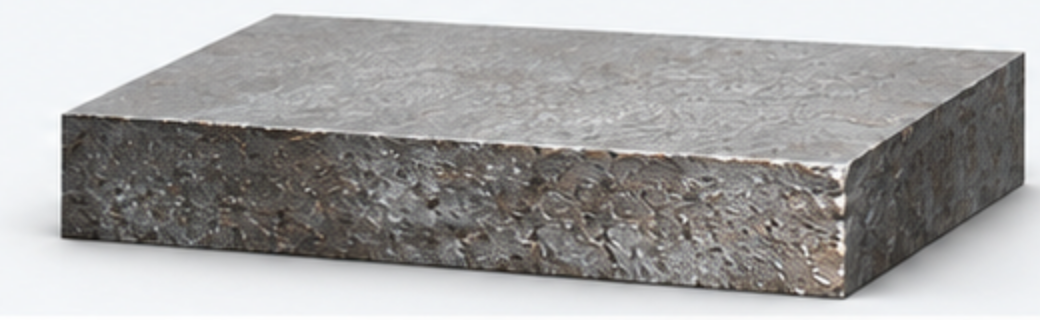
The performance of manganese steel is closely related to its internal microstructure. Chemical composition, casting conditions and heat treatment influence the phases and their distribution.

Conventional Hadfield manganese steel should have a predominantly austenitic microstructure after proper heat treatment, providing high toughness, ductility and work-hardening capacity.

Austenitic Microstructure

Austenite is a face-centred cubic (FCC) structure stabilized by manganese, carbon and other alloying elements. The austenitic matrix provides excellent toughness, ductility and the ability to work-harden under impact.

Carbide Formation and Distribution

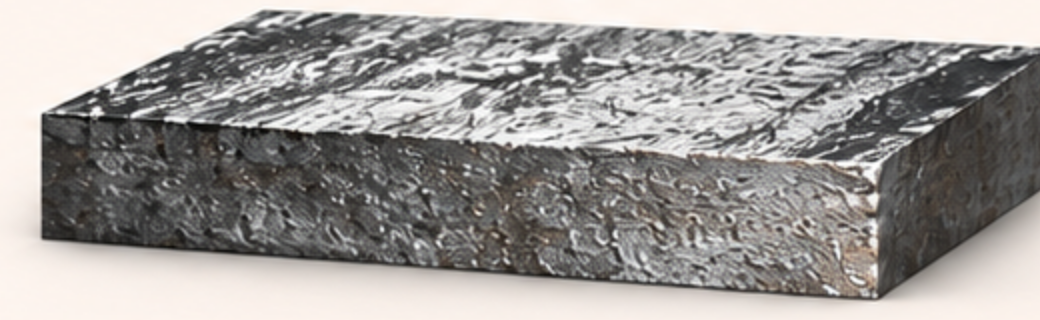
Carbides may form during solidification and cooling. In the as-cast condition, they can appear within grains or along grain boundaries. Excessive or continuous carbide networks may reduce ductility, so proper solution heat treatment is essential.

Solution Heat Treatment and Quenching

01

As-Cast

Austenite with possible carbide segregation.

02

Solution Treatment

Dissolution of suitable carbides.

03

Rapid Quenching

Retention of the desired austenitic condition.

Grain Structure and Grain Boundaries

Manganese steel consists of austenitic grains separated by grain boundaries. Grain size, segregation and grain-boundary phases influence strength, toughness and crack propagation.

Microstructural Changes During Work-Hardening

Initial Austenitic Structure

Tough, ductile matrix with relatively low initial hardness.

Repeated Impact and Deformation

Dislocations accumulate; deformation twinning may occur.

Work-Hardened Surface

Higher surface hardness while retaining a tough core.

Why Microstructural Inspection Matters

Metallographic examination helps identify undesirable carbide distribution, segregation and grain structure. It supports quality assurance, especially when heat-treatment effectiveness or material condition must be verified.

The microstructure of manganese steel plays a critical role in its toughness, work-hardening behavior and resistance to impact-related wear.

QUALITY ASSURANCE & INSPECTION

Quality Considerations
at Every Stage

A dependable manganese steel casting must meet more than a chemical composition target. Quality also depends on casting soundness, heat treatment, dimensional conformity, surface condition and the inspection requirements agreed with the customer.

A Systematic Approach to Reliable Castings

Comprehensive inspection and testing help ensure material integrity, dimensional accuracy and consistent performance in service.

01

Chemical Analysis

Spectrometer testing (OES) to verify manganese, carbon, silicon and other alloying elements against the specified grade.

02

Dimensional Inspection

Verification of critical dimensions, profiles and fitting requirements as per drawings and specifications.

03

Visual Inspection

Identification of visible casting defects such as surface cracks, blowholes, misruns and other discontinuities.

04

Mechanical & Hardness Testing

Tensile, Brinell hardness and impact testing to evaluate strength, ductility and toughness, where specified.

05

Non-Destructive Testing

Dye penetrant, ultrasonic or radiographic testing as applicable, to detect surface and internal discontinuities.

06

Metallurgical Examination

Microstructural verification to assess austenitic structure, grain boundaries, carbide distribution and heat-treatment effectiveness.

07

Identification & Traceability

Heat numbers and records according to the agreed documentation system, including relevant test reports and certificates.

Testing methods and acceptance criteria depend on the applicable standard, customer specifications and available inspection facilities. Specialized tests may be performed when required.
Specific tests and certificates should be described as available from BSCPL only after confirmation.

REQUEST FOR QUOTATION (RFQ)

Request a Quote for
Manganese Steel Castings

Looking for manganese steel wear components for your crusher, mining equipment or industrial application?

Share your technical requirements with Bhanu Special Castings. Include your component drawing, equipment model, preferred material grade and quantity to help our team review your enquiry.

Share Your Requirements

Upload drawings or share technical details of your component.

Get Expert Support

Our team reviews your requirements and suggests suitable grades and options.

Application-Focused Quotations

Receive a detailed quotation based on your specifications and required quantity.

Reliable Partnership

Engineering support for your industrial and mining applications.

Important Note

Share the applicable drawing, material grade and inspection requirements. Our team will review your enquiry and contact you to discuss the quotation.

Submit Your Enquiry

Fill in the details below to request a quotation for manganese steel castings.

IS 276 • ASTM A128/A128M • ISO 13521 • EN 10349

INTERNATIONAL STANDARDS & GRADE SPECIFICATIONS

Manganese Steel GradesAcross International Standards

Manganese steel castings are classified under different national and international material standards. These specifications define chemical composition limits, alloy modifications and applicable material requirements.

Understanding these standards helps manufacturers, equipment suppliers and industrial buyers identify suitable grades for their applications.

◎ Cross-Reference: Standards & Grade Designations

Country / RegionStandardRepresentative Grade Designations
IndiaIS 276:2000 (Austenitic-Manganese Steel Castings)Grades 1–7
IRS T-29 (Rev. 2024) (Cast Manganese Steel (CMS) Crossings and Weldable Cast Manganese Steel (WCMS) Crossings)CMS / WCMS railway crossings (product categories)
USAASTM A128 / A128M (Standard Specification for Steel Castings, Austenitic Manganese)A, B-1 to B-4, C, D, E-1, E-2, F
GermanyDIN EN 10349 (Steel Castings — Austenitic Manganese Steel Castings)GX120Mn13 and alloy variants
International / EuropeISO 13521 (Austenitic Manganese Steel Castings)
EN 10349 (Steel Castings — Austenitic Manganese Steel Castings)
GX120Mn13 and related designations
ChinaGB/T 5680 (Austenitic Manganese Steel Castings)ZGMn13 series; verify selected edition
JapanJIS G 5131 (High Manganese Steel Castings)SCMnH series
United KingdomBS EN 10349 (Steel Castings — Austenitic Manganese Steel Castings)
BS ISO 13521 (Austenitic Manganese Steel Castings)
GX120Mn13; historical BS 3100: BW10
FranceNF EN 10349 (Steel Castings — Austenitic Manganese Steel Castings)
NF A32-058 (Foundry Products — Abrasion Resistant Cast Steels)
GX120Mn13; Z120M12-M and variants
ItalyUNI EN 10349 (Steel Castings — Austenitic Manganese Steel Castings)GX120Mn13; historical: GX120Mn12
AustraliaAS 2074 (Cast Steels)H1A, H1B, H1C, H1D
South AfricaSANS 407 (Austenitic Manganese Steel Castings; formerly SABS 407)Austenitic manganese types; verify grade
RussiaGOST 977 (Steel Castings — General Specifications)110Г13Л (110G13L) and alloy variants
SpainUNE-EN 10349 (Steel Castings — Austenitic Manganese Steel Castings)GX120Mn13; historical UNE 36253: AM-X120Mn12
SwedenSS-EN 10349 (Steel Castings — Austenitic Manganese Steel Castings)GX120Mn13; historical SS 142183: 2183
NorwayNS-EN 10349 (Steel Castings — Austenitic Manganese Steel Castings)GX120Mn13; historical NS 1699 designations
South KoreaKS D 4104 (High Manganese Steel Castings)SCMnH1, SCMnH2, SCMnH3, SCMnH11
Standards are not interchangeable. Verify grade, edition and purchase requirements before use. Historical references are identified separately. CMS / WCMS are railway crossing categories. This table lists representative references, not every existing grade.

MATERIAL VARIANTS & ADVANCED TECHNOLOGIES

Types of Manganese Steel Castings

Explore conventional manganese alloys, carbide-reinforced composites and specialised material technologies for demanding wear applications.

WC

Tungsten Carbide Reinforced

Tungsten carbide reinforcement incorporated into selected wear zones.

TiC

Titanium Carbide Reinforced

Titanium carbide particles or inserts within a manganese steel matrix.

WC + TiC

Combined Carbide Reinforcement

Combined tungsten and titanium carbide reinforcement technologies.

VC

Vanadium Carbide Strengthened

Modified manganese alloys containing vanadium carbides.

NbC

Niobium Carbide Strengthened

Modified manganese alloys containing niobium carbides.

These technologies include specialised, research and patented routes. Availability, suitability and manufacturing capability require confirmation.

INTERNATIONAL STANDARDS & GRADE SPECIFICATIONS

Manganese Steel GradesAcross International Standards

Manganese steel castings are classified under different national and international material standards. These specifications define chemical composition limits, alloy modifications and applicable material requirements.

Understanding these standards helps manufacturers, equipment suppliers and industrial buyers identify suitable grades for their applications.

◎ Cross-Reference: Manganese Casting Standards & Grades Worldwide

Country / RegionApplicable StandardsGrade Designations / Edition Notes
IndiaIS 276:2000 (Austenitic-Manganese Steel Castings)Grade 1; Grade 2; Grade 3; Grade 4; Grade 5; Grade 6; Grade 7. These are the seven grades covered by IS 276.
IRS T-29 (Rev. 2024) (Cast Manganese Steel (CMS) Crossings and Weldable Cast Manganese Steel (WCMS) Crossings)CMS / WCMS railway crossings (product categories).
USAASTM A128 / A128M (Standard Specification for Steel Castings, Austenitic Manganese)A; B-1; B-2; B-3; B-4; C; D; E-1; E-2; F.
GermanyDIN EN 10349 (Steel Castings — Austenitic Manganese Steel Castings)GX100Mn13 (1.3406); GX120Mn13 (1.3802); GX120Mn18 (1.3407); GX120MnCr13-2 (1.3410); GX120MnCr18-2 (1.3411); GX120MnMo7-1 (1.3415); GX110MnMo13-1 (1.3416); GX90MnMo14 (1.3417); GX120MnNi13-3 (1.3425)
International / EuropeISO 13521 (Austenitic Manganese Steel Castings)
EN 10349 (Steel Castings — Austenitic Manganese Steel Castings)
GX100Mn13 (1.3406); GX120Mn13 (1.3802); GX120Mn18 (1.3407); GX120MnCr13-2 (1.3410); GX120MnCr18-2 (1.3411); GX120MnMo7-1 (1.3415); GX110MnMo13-1 (1.3416); GX90MnMo14 (1.3417); GX120MnNi13-3 (1.3425)
ChinaGB/T 5680 (Austenitic Manganese Steel Castings)Current edition: complete grade list requires confirmation from GB/T 5680-2023. Historical designations include ZGMn13-1, ZGMn13-2, ZGMn13-3, ZGMn13-4 and alloy-modified ZGMn13 grades; do not treat historical names as a complete current list.
JapanJIS G 5131 (High Manganese Steel Castings)SCMnH1; SCMnH2; SCMnH3; SCMnH11; SCMnH21; GX100Mn13 (SCMnH2X1); GX120Mn13 (SCMnH2X2); GX120Mn17 (SCMnH4); GX120MnCr13-2 (SCMnH11X); GX120MnCr17-2 (SCMnH12); GX120MnMo7-1 (SCMnH31); GX110MnMo13-1 (SCMnH32); GX90MnMo14 (SCMnH33); GX120MnNi13-3 (SCMnH41).
United KingdomBS EN 10349 (Steel Castings — Austenitic Manganese Steel Castings)
BS ISO 13521 (Austenitic Manganese Steel Castings)
GX100Mn13 (1.3406); GX120Mn13 (1.3802); GX120Mn18 (1.3407); GX120MnCr13-2 (1.3410); GX120MnCr18-2 (1.3411); GX120MnMo7-1 (1.3415); GX110MnMo13-1 (1.3416); GX90MnMo14 (1.3417); GX120MnNi13-3 (1.3425). Historical reference: BW10; specify the governing edition.
FranceNF EN 10349 (Steel Castings — Austenitic Manganese Steel Castings)
NF A32-058 (Foundry Products — Abrasion Resistant Cast Steels)
GX100Mn13 (1.3406); GX120Mn13 (1.3802); GX120Mn18 (1.3407); GX120MnCr13-2 (1.3410); GX120MnCr18-2 (1.3411); GX120MnMo7-1 (1.3415); GX110MnMo13-1 (1.3416); GX90MnMo14 (1.3417); GX120MnNi13-3 (1.3425). NF A32-058 manganese designations include Z120M12-M, Z120MC12-M, Z110MD12-1-M, Z100MN13-4-M and Z120MC17-2-M; confirm the designation against the selected edition.
ItalyUNI EN 10349 (Steel Castings — Austenitic Manganese Steel Castings)GX100Mn13 (1.3406); GX120Mn13 (1.3802); GX120Mn18 (1.3407); GX120MnCr13-2 (1.3410); GX120MnCr18-2 (1.3411); GX120MnMo7-1 (1.3415); GX110MnMo13-1 (1.3416); GX90MnMo14 (1.3417); GX120MnNi13-3 (1.3425). Historical UNI designation: GX120Mn12.
AustraliaAS 2074 (Cast Steels)H1A; H1B; H1C; H1D.
South AfricaSANS 407 (Austenitic Manganese Steel Castings; formerly SABS 407)Austenitic manganese cast steels and alloy modifications. Complete type/grade list requires confirmation from the controlled SANS 407 text; no unverified type numbers are assigned here.
RussiaGOST 977 (Steel Castings — General Specifications)110Г13Л (110G13L); 110Г13Х2БРЛ; 110Г13ФТЛ; 130Г14ХМФАЛ; 120Г10ФЛ.
SpainUNE-EN 10349 (Steel Castings — Austenitic Manganese Steel Castings)GX100Mn13 (1.3406); GX120Mn13 (1.3802); GX120Mn18 (1.3407); GX120MnCr13-2 (1.3410); GX120MnCr18-2 (1.3411); GX120MnMo7-1 (1.3415); GX110MnMo13-1 (1.3416); GX90MnMo14 (1.3417); GX120MnNi13-3 (1.3425). Historical designations: AM-X120Mn12; AM-X120MnCr12-2.
SwedenSS-EN 10349 (Steel Castings — Austenitic Manganese Steel Castings)GX100Mn13 (1.3406); GX120Mn13 (1.3802); GX120Mn18 (1.3407); GX120MnCr13-2 (1.3410); GX120MnCr18-2 (1.3411); GX120MnMo7-1 (1.3415); GX110MnMo13-1 (1.3416); GX90MnMo14 (1.3417); GX120MnNi13-3 (1.3425). Historical reference: 2183 / 2183-02.
NorwayNS-EN 10349 (Steel Castings — Austenitic Manganese Steel Castings)GX100Mn13 (1.3406); GX120Mn13 (1.3802); GX120Mn18 (1.3407); GX120MnCr13-2 (1.3410); GX120MnCr18-2 (1.3411); GX120MnMo7-1 (1.3415); GX110MnMo13-1 (1.3416); GX90MnMo14 (1.3417); GX120MnNi13-3 (1.3425)
South KoreaKS D 4104 (High Manganese Steel Castings)SCMnH1; SCMnH2; SCMnH3; SCMnH11. Further grade designations and applicable edition must be confirmed from the governing KS specification. KS D 4101 is a carbon-steel casting standard and is not the high-manganese reference.
ⓘ Grade names are specification references, not automatic equivalents or a statement of BSCPL certification. Current and historical designations are identified separately. The selected standard edition, chemistry, heat treatment and purchase specification govern acceptance. This is an expanded reference, not an exhaustive catalogue of every national or customer-specific specification. China and South Africa complete lists, and additional Korean grades, remain to be verified.

Key Material Characteristics

Excellent Impact Toughness

Designed to withstand heavy impact and repeated loading in demanding applications.

Work-hardening Capability

Surface hardness increases as the material undergoes repeated deformation.

Application-specific Alloys

Composition and heat treatment can be selected according to service conditions.

Complex Casting Geometries

Suitable for many crusher liner profiles and heavy industrial wear components.

The Work-Hardening Advantage

Initial Condition

PART 3 ───

The Work-Hardening
Advantage

How Manganese Steel Becomes Harder During Service

One of the most valuable properties of austenitic manganese steel is its ability to work-harden. When crushing forces, impact loads or repeated deformation act on a manganese steel component, the surface undergoes strain-hardening. This increases resistance to further deformation and can improve wear performance in suitable service environments.

INITIAL CONDITION

185–250

HBW, indicative

Repeated impact
and deformation

❯❯❯

WORK-HARDENED SURFACE

400+

HBW possible

Illustrative hardness ranges, not guaranteed values. Actual work-hardening depends on alloy, impact energy, service conditions and testing method.

☀   Why work-hardening matters

In jaw crushers, cone crushers and other impact-loaded equipment, manganese steel can develop a hardened working surface while the underlying material retains toughness. This combination helps components resist cracking and deformation while managing abrasive wear.

⚙   Important Consideration

Manganese steel is not automatically the best material for every abrasive environment. Low-impact sliding abrasion may favor alternative alloys such as high-chromium white iron or hardened alloy steels.

185–250

HBW, indicative

Work-Hardened Surface

400+

HBW possible

Why work-hardening matters

In impact-loaded crushers, manganese steel develops a harder working surface while retaining a tough core. This combination helps resist cracking, deformation and abrasive wear during service.

Important consideration

Manganese steel is not automatically the best material for every abrasive environment. Low-impact sliding abrasion may favor alternative alloys such as high-chromium white iron or hardened alloy steels.

Key Takeaway

Higher manganese content does not always mean better wear life. Correct material selection is more important than choosing the highest alloy percentage.

GRADE SELECTION DEPENDS ON:

⚙ Crusher type   ◇ Feed material   ✳ Impact energy

▱ Section thickness   ⚙ Wear mechanism   ▤ Customer specification

INTERNATIONAL STANDARDS & GRADE SPECIFICATIONS

Manganese Steel Grades
Across International Standards

Manganese steel castings are classified under different national and international material standards. These specifications define chemical composition limits, alloy modifications and applicable material requirements.

Understanding these standards helps manufacturers, equipment suppliers and industrial buyers identify suitable grades for their applications.

◎ Cross-Reference: Manganese Casting Standards & Grades Worldwide

Country / RegionApplicable StandardsGrade Designations / Edition Notes
🇮🇳 IndiaIS 276:2000 — Austenitic manganese steel castingsGrade 1; Grade 2; Grade 3; Grade 4; Grade 5; Grade 6; Grade 7. These are the seven grades covered by IS 276.
🇺🇸 USAASTM A128/A128M-19(2025)A; B-1; B-2; B-3; B-4; C; D; E-1; E-2; F.
🇩🇪 GermanyDIN EN 10349:2010-02 (EN 10349:2009)GX100Mn13 (1.3406); GX120Mn13 (1.3802); GX120Mn18 (1.3407); GX120MnCr13-2 (1.3410); GX120MnCr18-2 (1.3411); GX120MnMo7-1 (1.3415); GX110MnMo13-1 (1.3416); GX90MnMo14 (1.3417); GX120MnNi13-3 (1.3425)
🇪🇺 International / EuropeISO 13521:2023; EN 10349:2009GX100Mn13 (1.3406); GX120Mn13 (1.3802); GX120Mn18 (1.3407); GX120MnCr13-2 (1.3410); GX120MnCr18-2 (1.3411); GX120MnMo7-1 (1.3415); GX110MnMo13-1 (1.3416); GX90MnMo14 (1.3417); GX120MnNi13-3 (1.3425)
🇨🇳 ChinaGB/T 5680-2023; historical GB/T 5680-2010 / GB/T 5680-1998Current edition: complete grade list requires confirmation from GB/T 5680-2023. Historical designations include ZGMn13-1, ZGMn13-2, ZGMn13-3, ZGMn13-4 and alloy-modified ZGMn13 grades; do not treat historical names as a complete current list.
🇯🇵 JapanJIS G 5131:2008SCMnH1; SCMnH2; SCMnH3; SCMnH11; SCMnH21; GX100Mn13 (SCMnH2X1); GX120Mn13 (SCMnH2X2); GX120Mn17 (SCMnH4); GX120MnCr13-2 (SCMnH11X); GX120MnCr17-2 (SCMnH12); GX120MnMo7-1 (SCMnH31); GX110MnMo13-1 (SCMnH32); GX90MnMo14 (SCMnH33); GX120MnNi13-3 (SCMnH41).
🇬🇧 United KingdomBS EN 10349:2009; BS ISO 13521:2023. Historical: BS 3100 BW seriesGX100Mn13 (1.3406); GX120Mn13 (1.3802); GX120Mn18 (1.3407); GX120MnCr13-2 (1.3410); GX120MnCr18-2 (1.3411); GX120MnMo7-1 (1.3415); GX110MnMo13-1 (1.3416); GX90MnMo14 (1.3417); GX120MnNi13-3 (1.3425). Historical reference: BW10; specify the governing edition.
🇫🇷 FranceNF EN 10349; NF A32-058:2019 (broader abrasion-resistant cast-steel specification)GX100Mn13 (1.3406); GX120Mn13 (1.3802); GX120Mn18 (1.3407); GX120MnCr13-2 (1.3410); GX120MnCr18-2 (1.3411); GX120MnMo7-1 (1.3415); GX110MnMo13-1 (1.3416); GX90MnMo14 (1.3417); GX120MnNi13-3 (1.3425). NF A32-058 manganese designations include Z120M12-M, Z120MC12-M, Z110MD12-1-M, Z100MN13-4-M and Z120MC17-2-M; confirm the designation against the selected edition.
🇮🇹 ItalyUNI EN 10349; historical UNI 3160GX100Mn13 (1.3406); GX120Mn13 (1.3802); GX120Mn18 (1.3407); GX120MnCr13-2 (1.3410); GX120MnCr18-2 (1.3411); GX120MnMo7-1 (1.3415); GX110MnMo13-1 (1.3416); GX90MnMo14 (1.3417); GX120MnNi13-3 (1.3425). Historical UNI designation: GX120Mn12.
🇦🇺 AustraliaAS 2074:2003 — Austenitic manganese steel casting gradesH1A; H1B; H1C; H1D.
🇿🇦 South AfricaSANS 407:2008 (formerly SABS 407)Austenitic manganese cast steels and alloy modifications. Complete type/grade list requires confirmation from the controlled SANS 407 text; no unverified type numbers are assigned here.
🇷🇺 RussiaGOST 977-88 — Wear-resistant cast-steel grades110Г13Л (110G13L); 110Г13Х2БРЛ; 110Г13ФТЛ; 130Г14ХМФАЛ; 120Г10ФЛ.
🇪🇸 SpainUNE-EN 10349:2011; historical UNE 36253:1971GX100Mn13 (1.3406); GX120Mn13 (1.3802); GX120Mn18 (1.3407); GX120MnCr13-2 (1.3410); GX120MnCr18-2 (1.3411); GX120MnMo7-1 (1.3415); GX110MnMo13-1 (1.3416); GX90MnMo14 (1.3417); GX120MnNi13-3 (1.3425). Historical designations: AM-X120Mn12; AM-X120MnCr12-2.
🇸🇪 SwedenSS-EN 10349:2009; superseded SS 142183GX100Mn13 (1.3406); GX120Mn13 (1.3802); GX120Mn18 (1.3407); GX120MnCr13-2 (1.3410); GX120MnCr18-2 (1.3411); GX120MnMo7-1 (1.3415); GX110MnMo13-1 (1.3416); GX90MnMo14 (1.3417); GX120MnNi13-3 (1.3425). Historical reference: 2183 / 2183-02.
🇳🇴 NorwayNS-EN 10349:2009; historical NS 1699:1969GX100Mn13 (1.3406); GX120Mn13 (1.3802); GX120Mn18 (1.3407); GX120MnCr13-2 (1.3410); GX120MnCr18-2 (1.3411); GX120MnMo7-1 (1.3415); GX110MnMo13-1 (1.3416); GX90MnMo14 (1.3417); GX120MnNi13-3 (1.3425)
🇰🇷 South KoreaKS D 4104 — High manganese steel castingsSCMnH1; SCMnH2; SCMnH3; SCMnH11. Further grade designations and applicable edition must be confirmed from the governing KS specification. KS D 4101 is a carbon-steel casting standard and is not the high-manganese reference.
ⓘ Grade names are specification references, not automatic equivalents or a statement of BSCPL certification. Current and historical designations are identified separately. The selected standard edition, chemistry, heat treatment and purchase specification govern acceptance. This is an expanded reference, not an exhaustive catalogue of every national or customer-specific specification. China and South Africa complete lists, and additional Korean grades, remain to be verified.

India scope: IS 2708 covers 1.5% manganese steel castings for general engineering and is a separate material family from the austenitic manganese wear castings covered by IS 276.

You can edit text on your website by double clicking on a text box on your website. Alternatively, when you select a text box a settings menu will appear. your website by double clicking on a text box on your website. Alternatively, when you select a text box

FROM ENGINEERING TO DISPATCH

How Manganese Steel Castings
Are Manufactured

Manufacturing high-quality manganese steel castings requires coordination between pattern development, mould preparation, melting, metallurgical control, heat treatment and final inspection.

The process below is a proposed technical workflow. Specific BSCPL production procedures should be confirmed internally before describing them as universal company practice.

01

▤

Engineering Review & Material Selection

Evaluate the component drawing, operating conditions, dimensions, wear mechanism and customer requirements to identify the appropriate casting material.

02

▱

Pattern Development

Develop or inspect patterns according to component geometry, casting allowances, machining requirements and moulding method.

03

⚙

Moulding & Core Preparation

Prepare moulds and cores using suitable moulding materials and processes, taking account of casting size, shape and surface-finish requirements.

04

♨

Charge Preparation & Melting

Select and calculate the metallic charge and alloy additions. Melt the charge under controlled conditions appropriate for the selected manganese steel composition.

05

⚗

Chemical Composition Verification

Evaluate molten-metal chemistry against the applicable material specification and make permitted adjustments before casting.

06

↘

Molten Metal Pouring

Pour molten steel into prepared moulds using a suitable pouring practice that considers temperature, casting geometry and mould requirements.

07

♨

Solidification, Cooling & Shakeout

Allow the casting to solidify and cool according to the established production procedure before removing the moulding material.

08

⚒

Fettling & Preliminary Finishing

Remove gating and riser material where appropriate, clean the casting and perform preliminary finishing operations.

09

≋

Solution Heat Treatment & Water Quenching

Apply the grade-appropriate solution treatment and rapid quenching process to develop the required austenitic structure and toughness. Exact temperatures, soaking times and cooling practices depend on the specification and casting section.

10

☑

Quality Inspection & Testing

Inspect the finished casting against applicable chemical, dimensional, visual and other agreed acceptance requirements.

11

▣

Final Finishing, Identification & Dispatch

Complete any specified machining, finishing, marking, documentation and packaging before delivery.

ⓘ This is a general technical workflow for manganese steel castings. Items should be marked as BSCPL practice only after confirmation from the company’s production or catalogue records.

PART 9 ─────

Mechanical & Physical Properties

Typical Properties of
Austenitic Manganese Steel

Mechanical and physical properties depend on chemical composition, casting section thickness, heat treatment and test conditions.

PropertyIndicative value / characteristic
Conventional manganese contentApproximately 11–14%
Conventional carbon contentApproximately 1.0–1.4%
Ultimate tensile strengthApproximately 650–1,000 MPa
Yield strengthApproximately 350–450 MPa
ElongationApproximately 20–50%
Elastic modulusApproximately 190–210 GPa
Initial hardnessApproximately 185–250 HBW
Work-hardened surface hardnessCan exceed 400 HBW
MicrostructurePredominantly austenitic after suitable heat treatment
Impact resistanceHigh under appropriate service conditions
DuctilityGrade- and process-dependent
Magnetic behaviorGenerally low magnetic response in fully austenitic condition
DensityApproximately 7.8–7.9 g/cm³
Heat treatmentGrade-appropriate solution treatment and rapid quenching
ⓘ General engineering reference only. These are not guaranteed BSCPL test results or contractual minimum properties.

EFFECT OF ALLOYING ELEMENTS

Role of Key Elements
in Manganese Steel

Alloying elements influence the structure, mechanical properties and wear behaviour of manganese steel castings.

C

Carbon (C)

Influences strength, work-hardening behavior, carbide formation and toughness.

Mn

Manganese (Mn)

Stabilizes the austenitic structure and contributes to the characteristic behavior of Hadfield steel.

Cr

Chromium (Cr)

Used in modified compositions to influence wear and deformation characteristics.

Mo

Molybdenum (Mo)

May improve selected properties and assist alloy design for demanding casting sections.

Ni

Nickel (Ni)

An austenite-stabilizing addition used in certain specialized compositions.

P

Phosphorus (P)

An impurity that requires control because excessive levels can adversely affect casting integrity.

You can edit text on your website by double clicking on a text box on your website. Alternatively, when you select a text box a settings menu will appear. your website by double clicking on a text box on your website. Alternatively, when you select a text box