High-Temperature Resistance
Designed for reliable performance in elevated-temperature industrial environments.

Explore high-quality heat resistant alloy castings designed for elevated-temperature operations, thermal stability, oxidation resistance and reliable performance in demanding industrial environments.
From furnace components and heat treatment fixtures to specialized industrial castings, Bhanu Special Castings offers application-focused solutions for diverse thermal processing requirements.
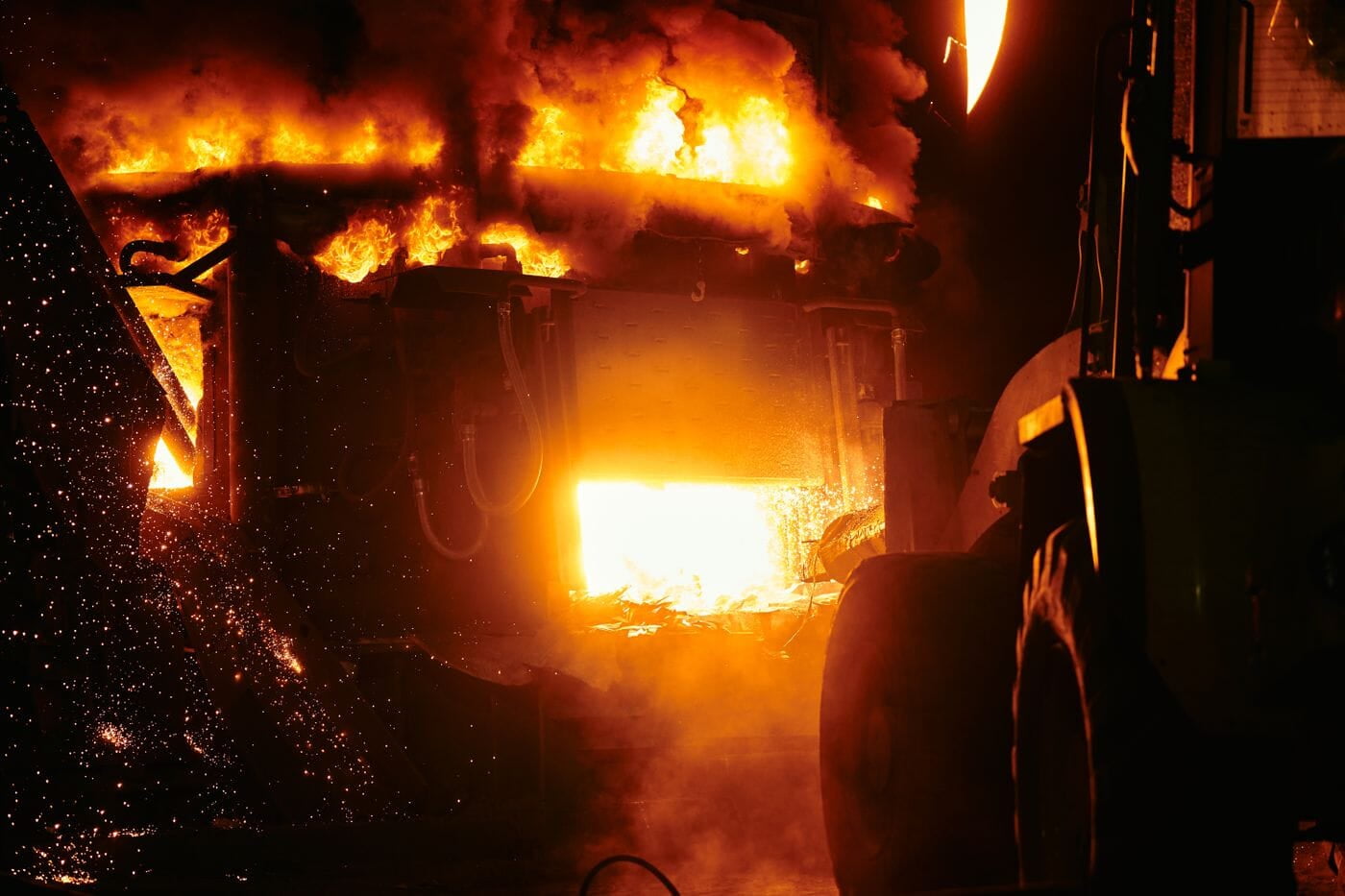
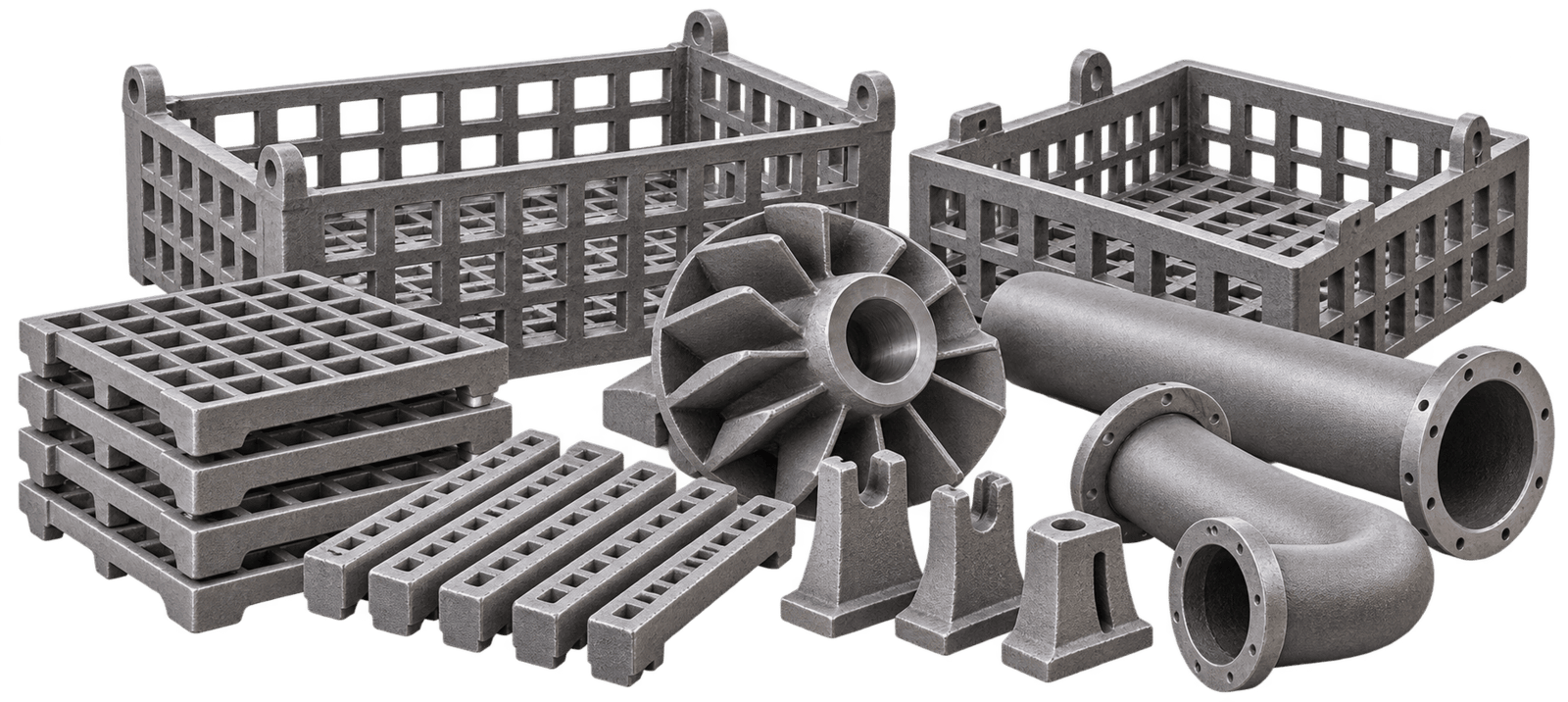
Heat resistant castings are specially engineered alloy components manufactured to perform under elevated temperatures, repeated thermal cycles and demanding operating conditions.
These castings are commonly produced using chromium-nickel alloy steels and other heat resistant compositions designed to provide oxidation resistance, high-temperature strength, creep resistance and dimensional stability.
They are widely used in industrial furnaces, heat treatment equipment, steel plants, cement industries, petrochemical processing and thermal power applications.
Designed for reliable performance in elevated-temperature industrial environments.
Selected chromium-rich alloys resist surface deterioration under high heat.
Appropriate grades withstand repeated heating and cooling cycles.
Selected alloys resist gradual deformation under prolonged temperature and load.
Engineered to maintain useful strength and dimensional integrity.
Correct alloy selection can improve component life and maintenance intervals.
Heat resistant castings are designed to retain useful strength and resist deterioration during elevated-temperature service. Their performance depends on alloy composition, casting quality, operating temperature, furnace atmosphere and applied load.
Chromium supports oxidation resistance, while nickel and other selected alloying elements help achieve the structure and properties required for demanding thermal applications.
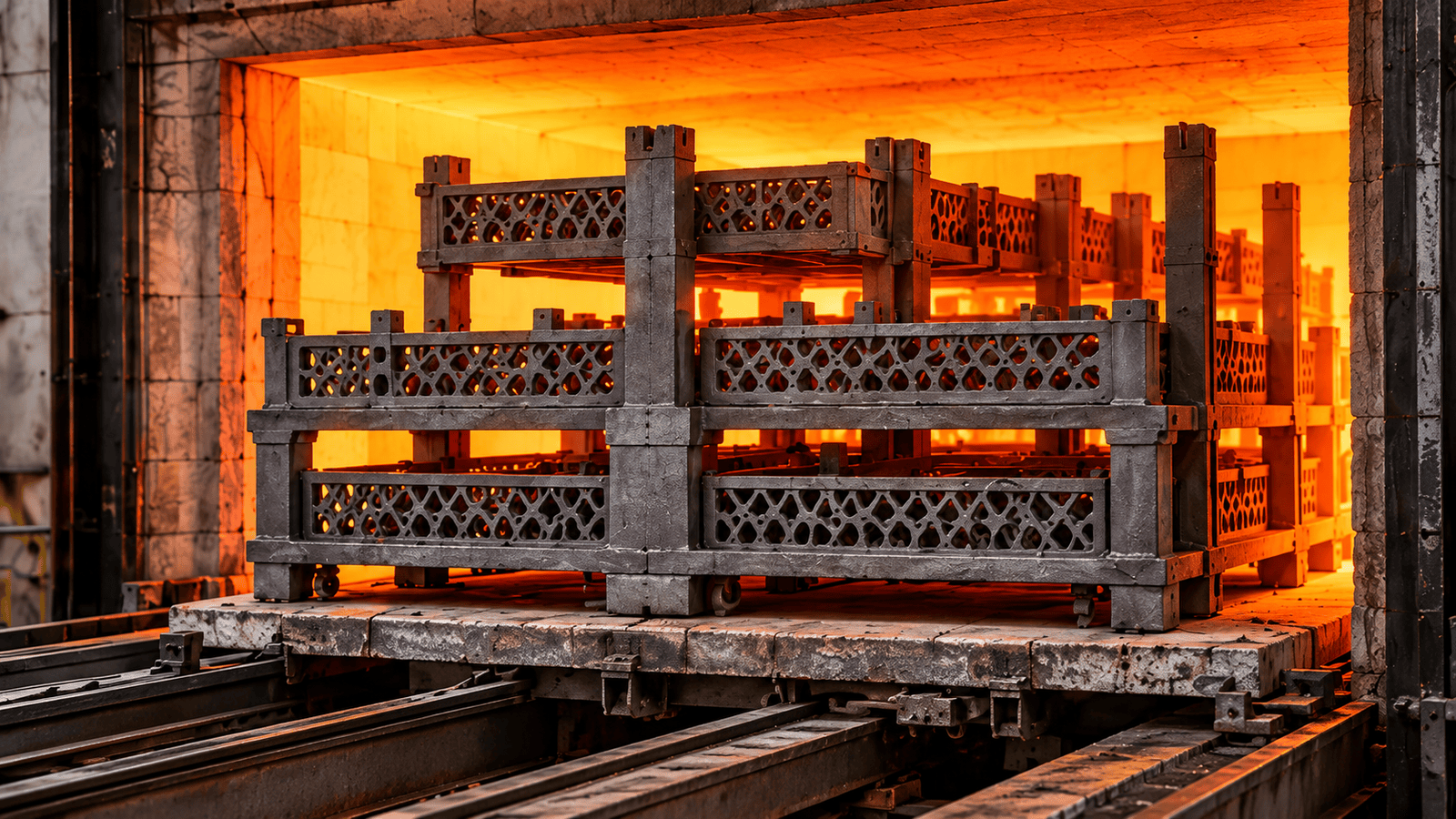
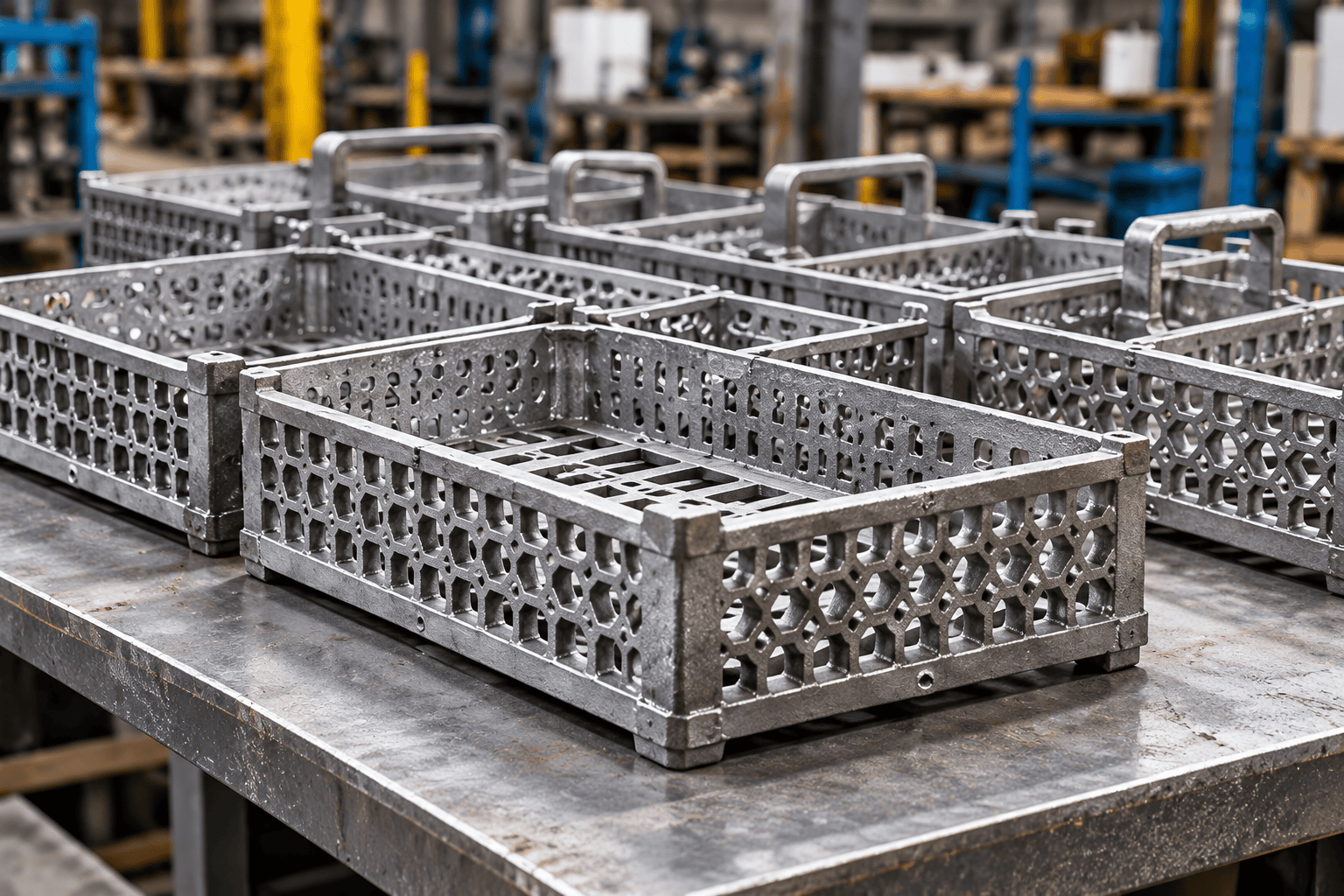
Selected alloys form a protective oxide layer that helps reduce scaling and surface deterioration.
Suitable grades resist gradual deformation during prolonged exposure to high temperature and sustained load.
Appropriate alloy selection and component design help withstand repeated heating and cooling.
Correct material selection helps limit distortion and maintain component functionality under specified service conditions.
Heat resistant cast steels and alloys are specified through national and international standards covering chemical composition, material properties, inspection and delivery requirements.
Select the grade for operating temperature, furnace atmosphere, applied load and thermal cycling. Chromium-nickel cast steels include different alloy families for oxidation resistance and elevated-temperature service.
This table covers the same 16 countries and regions. National standards and project-selected international specifications are identified separately. Similar grade names do not establish interchangeability.
| Country / Region | Standard / Specification Basis | Representative Grades / Coverage |
|---|---|---|
 India | IS 4522; IS 3038:2006 (high-temperature pressure service); ISO 11973:2023 (international specification, when agreed) | IS 4522: Gr. 1, Gr. 2, Gr. 3, Gr. 4, Gr. 5, Gr. 6, Gr. 7, Gr. 8, Gr. 9, Gr. 10, Gr. 11, Gr. 12, Gr. 13, Gr. 14. Pressure-service castings: IS 3038 Grade 1 (Gr. I). ISO 11973 grades: GX40CrNiSi25-12 (1.4837), GX40CrNiSi25-20 (1.4848). |
 USA | ASTM A297/A297M; ASTM A217/A217M (high-temperature pressure service) | HF, HH, HI, HK, HE, HT, HU, HW, HX, HC, HD, HL, HN; grade selected for service conditions. Pressure-service castings: ASTM A217 C12A (9Cr-1Mo-V-Nb-N cast steel). P91 is an ASTM A335 pipe grade, not an A297 casting designation. |
 Germany | DIN EN 10295; DIN 17465 (legacy); DIN EN 10213 (pressure castings) | GX40CrNiSi25-12 (1.4837); GX40CrNiSi25-20 (1.4848); GX40NiCrSi35-26 (1.4857) Pressure-service castings: GX12CrMoVNbN9-1 — EN 10213. Compare full requirements with A217 C12A; not a certified equivalent. |
 Europe | EN 10295; EN 10213 (pressure castings) | GX40CrNiSi25-12 (1.4837); GX40CrNiSi25-20 (1.4848); GX40NiCrSi35-26 (1.4857) Pressure-service castings: GX12CrMoVNbN9-1 — EN 10213. Compare full requirements with A217 C12A; not a certified equivalent. |
 China | GB/T 8492-2024 | Heat-resistant cast steels and alloys for general applications. Confirm the Chinese designation and chemistry from the current standard; no automatic ASTM/EN equivalence. |
 Japan | JIS G 5122 | SCH13, SCH13A, SCH21 — representative heat-resistant cast steel designations; verify the full grade requirements. |
 United Kingdom | BS EN 10295; BS EN 10213 (pressure castings) | GX40CrNiSi25-12 (1.4837); GX40CrNiSi25-20 (1.4848); GX40NiCrSi35-26 (1.4857) Pressure-service castings: GX12CrMoVNbN9-1 — EN 10213. Compare full requirements with A217 C12A; not a certified equivalent. |
 France | NF EN 10295; NF EN 10213 (pressure castings) | GX40CrNiSi25-12 (1.4837); GX40CrNiSi25-20 (1.4848); GX40NiCrSi35-26 (1.4857) Pressure-service castings: GX12CrMoVNbN9-1 — EN 10213. Compare full requirements with A217 C12A; not a certified equivalent. |
 Italy | UNI EN 10295; UNI EN 10213 (pressure castings) | GX40CrNiSi25-12 (1.4837); GX40CrNiSi25-20 (1.4848); GX40NiCrSi35-26 (1.4857) Pressure-service castings: GX12CrMoVNbN9-1 — EN 10213. Compare full requirements with A217 C12A; not a certified equivalent. |
 Australia | ASTM A297 / EN 10295 / ISO 11973, as agreed in the purchase specification | Project-specified examples: ASTM A297 HH, HK; or EN 10295 GX40CrNiSi25-20 (1.4848). Not national grade equivalents. |
 South Africa | ASTM A297 / EN 10295 / ISO 11973, as agreed in the purchase specification | Project-specified examples: ASTM A297 HH, HK; or EN 10295 GX40CrNiSi25-20 (1.4848). Not national grade equivalents. |
 Russia | GOST 977 — steel casting framework; grade-specific specification to be agreed | Special-property alloy steel castings. Confirm the cast-grade designation, heat-resistance requirements and acceptance tests; no direct equivalence claimed. |
 Spain | UNE-EN 10295; UNE-EN 10213 (pressure castings) | GX40CrNiSi25-12 (1.4837); GX40CrNiSi25-20 (1.4848); GX40NiCrSi35-26 (1.4857) Pressure-service castings: GX12CrMoVNbN9-1 — EN 10213. Compare full requirements with A217 C12A; not a certified equivalent. |
 Sweden | SS-EN 10295; SS-EN 10213 (pressure castings) | GX40CrNiSi25-12 (1.4837); GX40CrNiSi25-20 (1.4848); GX40NiCrSi35-26 (1.4857) Pressure-service castings: GX12CrMoVNbN9-1 — EN 10213. Compare full requirements with A217 C12A; not a certified equivalent. |
 Norway | NS-EN 10295; NS-EN 10213 (pressure castings) | GX40CrNiSi25-12 (1.4837); GX40CrNiSi25-20 (1.4848); GX40NiCrSi35-26 (1.4857) Pressure-service castings: GX12CrMoVNbN9-1 — EN 10213. Compare full requirements with A217 C12A; not a certified equivalent. |
 South Korea | International specification by agreement: ASTM A297 / EN 10295 / ISO 11973 | Project-specified examples: ASTM A297 HH, HK; or EN 10295 GX40CrNiSi25-20 (1.4848). Not national grade equivalents. |
ISO 11973 · ASTM A297 · DIN EN 10295 · GB/T 8492-2024 · JIS G 5122
Select a country to view the heat-resistant grades referenced on this page, including IS 4522 Gr. 1–14 and the traditional ASTM A297 series. All values are mass %. Ranges show minimum–maximum; ≤ indicates a maximum; — means not stated, not zero. Pressure-service and international ISO grades are separately labelled.
| Grade | C % | Si % | Mn % | P % | S % | Cr % | Ni % | Mo % | Other Elements % |
|---|---|---|---|---|---|---|---|---|---|
| IS 4522 Gr. 1 | ≤ 0.40 | ≤ 2.00 | ≤ 1.00 | ≤ 0.050 | ≤ 0.050 | 12.0–14.0 | ≤ 1.00 | ≤ 0.50 | — |
| IS 4522 Gr. 2 | 0.30–0.60 | ≤ 2.00 | ≤ 1.00 | ≤ 0.050 | ≤ 0.050 | 27.0–30.0 | — | ≤ 0.50 | — |
| IS 4522 Gr. 3 | 1.20–1.40 | ≤ 2.00 | ≤ 1.00 | ≤ 0.050 | ≤ 0.050 | 27.0–30.0 | — | ≤ 0.50 | — |
| IS 4522 Gr. 4 | 0.20–0.50 | ≤ 2.00 | ≤ 1.00 | ≤ 0.050 | ≤ 0.050 | 26.0–30.0 | 4.0–7.0 | ≤ 0.50 | — |
| IS 4522 Gr. 5 | 0.20–0.50 | ≤ 2.00 | ≤ 2.00 | ≤ 0.050 | ≤ 0.050 | 18.0–20.0 | 8.0–10.0 | ≤ 0.50 | — |
| IS 4522 Gr. 6 | 0.20–0.50 | ≤ 2.00 | ≤ 2.00 | ≤ 0.050 | ≤ 0.050 | 26.0–30.0 | 8.0–10.0 | ≤ 0.50 | — |
| IS 4522 Gr. 7 | 0.20–0.50 | ≤ 2.00 | ≤ 2.00 | ≤ 0.050 | ≤ 0.050 | 23.0–27.0 | 11.0–14.0 | ≤ 0.50 | — |
| IS 4522 Gr. 8 | 0.15–0.35 | ≤ 2.50 | ≤ 1.50 | ≤ 0.050 | ≤ 0.050 | 19.0–21.0 | 13.0–15.0 | ≤ 0.50 | — |
| IS 4522 Gr. 9 | 0.20–0.50 | ≤ 2.00 | ≤ 2.00 | ≤ 0.050 | ≤ 0.050 | 23.0–27.0 | 18.0–22.0 | ≤ 0.50 | — |
| IS 4522 Gr. 10 | 0.20–0.60 | ≤ 2.50 | ≤ 2.00 | ≤ 0.050 | ≤ 0.050 | 28.0–32.0 | 18.0–22.0 | ≤ 0.50 | — |
| IS 4522 Gr. 11 | 0.20–0.50 | ≤ 2.00 | ≤ 2.00 | ≤ 0.050 | ≤ 0.050 | 19.0–23.0 | 23.0–27.0 | ≤ 0.50 | — |
| IS 4522 Gr. 12 | 0.35–0.75 | ≤ 2.50 | ≤ 2.00 | ≤ 0.050 | ≤ 0.050 | 13.0–17.0 | 33.0–37.0 | ≤ 0.50 | — |
| IS 4522 Gr. 13 | 0.35–0.75 | ≤ 2.50 | ≤ 2.00 | ≤ 0.050 | ≤ 0.050 | 17.0–21.0 | 37.0–41.0 | ≤ 0.50 | — |
| IS 4522 Gr. 14 | 0.35–0.75 | ≤ 2.50 | ≤ 2.00 | ≤ 0.050 | ≤ 0.050 | 15.0–19.0 | 64.0–68.0 | ≤ 0.50 | — |
| IS 3038:2006 Gr. 1 — pressure | 0.18–0.25 | ≤ 0.60 | 1.20–1.60 | ≤ 0.040 | ≤ 0.045 | ≤ 0.35 | ≤ 0.50 | ≤ 0.15 | Cu ≤ 0.50; residual-element limits also apply |
| ISO 11973 GX40CrNiSi25-12 | 0.30–0.50 | 1.00–2.50 | ≤ 2.00 | ≤ 0.040 | ≤ 0.030 | 24.0–27.0 | 11.0–14.0 | ≤ 0.50 | — |
| ISO 11973 GX40CrNiSi25-20 | 0.30–0.50 | 1.00–2.50 | ≤ 2.00 | ≤ 0.040 | ≤ 0.030 | 24.0–27.0 | 19.0–22.0 | ≤ 0.50 | — |
IS 4522 Gr. 1–14: published manufacturer composition references; the Grade 7 supplier sheet does not distinguish its Type 1 / Type 2 variants. IS 3038 Gr. 1 is a separate pressure-service grade. ISO 11973 entries are international specifications, not IS equivalents. ≤ denotes a maximum; — means not stated in the cited reference, not zero. Verify the full grade/type, residual elements and applicable edition before ordering.
Data references: Gr. 1 · Gr. 2 · Gr. 3 · Gr. 4 · Gr. 5 · Gr. 6 · Gr. 7 · Gr. 8 · Gr. 9 · Gr. 10 · Gr. 11 · Gr. 12 · Gr. 13 · Gr. 14 · IS 3038 · ISO 11973:2023
| Grade | C % | Si % | Mn % | P % | S % | Cr % | Ni % | Mo % | Other Elements % |
|---|---|---|---|---|---|---|---|---|---|
| A297 HC | ≤ 0.50 | ≤ 2.00 | ≤ 1.00 | ≤ 0.040 | ≤ 0.040 | 26.0–30.0 | ≤ 4.00 | ≤ 0.50 | — |
| A297 HD | ≤ 0.50 | ≤ 2.00 | ≤ 1.50 | ≤ 0.040 | ≤ 0.040 | 26.0–30.0 | 4.0–7.0 | ≤ 0.50 | — |
| A297 HE | 0.20–0.50 | ≤ 2.00 | ≤ 2.00 | ≤ 0.040 | ≤ 0.040 | 26.0–30.0 | 8.0–11.0 | ≤ 0.50 | — |
| A297 HF | 0.20–0.40 | ≤ 2.00 | ≤ 2.00 | ≤ 0.040 | ≤ 0.040 | 18.0–23.0 | 8.0–12.0 | ≤ 0.50 | — |
| A297 HH | 0.20–0.50 | ≤ 2.00 | ≤ 2.00 | ≤ 0.040 | ≤ 0.040 | 24.0–28.0 | 11.0–14.0 | ≤ 0.50 | — |
| A297 HI | 0.20–0.50 | ≤ 2.00 | ≤ 2.00 | ≤ 0.040 | ≤ 0.040 | 26.0–30.0 | 14.0–18.0 | ≤ 0.50 | — |
| A297 HK | 0.20–0.60 | ≤ 2.00 | ≤ 2.00 | ≤ 0.040 | ≤ 0.040 | 24.0–28.0 | 18.0–22.0 | ≤ 0.50 | — |
| A297 HL | 0.20–0.60 | ≤ 2.00 | ≤ 2.00 | ≤ 0.040 | ≤ 0.040 | 28.0–32.0 | 18.0–22.0 | ≤ 0.50 | — |
| A297 HN | 0.20–0.50 | ≤ 2.00 | ≤ 2.00 | ≤ 0.040 | ≤ 0.040 | 19.0–23.0 | 23.0–27.0 | ≤ 0.50 | — |
| A297 HP | 0.35–0.75 | ≤ 2.50 | ≤ 2.00 | ≤ 0.040 | ≤ 0.040 | 24.0–28.0 | 33.0–37.0 | ≤ 0.50 | — |
| A297 HT | 0.35–0.75 | ≤ 2.50 | ≤ 2.00 | ≤ 0.040 | ≤ 0.040 | 15.0–19.0 | 33.0–37.0 | ≤ 0.50 | — |
| A297 HU | 0.35–0.75 | ≤ 2.50 | ≤ 2.00 | ≤ 0.040 | ≤ 0.040 | 17.0–21.0 | 37.0–41.0 | ≤ 0.50 | — |
| A297 HW | 0.35–0.75 | ≤ 2.50 | ≤ 2.00 | ≤ 0.040 | ≤ 0.040 | 10.0–14.0 | 58.0–62.0 | ≤ 0.50 | — |
| A297 HX | 0.35–0.75 | ≤ 2.50 | ≤ 2.00 | ≤ 0.040 | ≤ 0.040 | 15.0–19.0 | 64.0–68.0 | ≤ 0.50 | — |
| A217 C12A — pressure | 0.08–0.12 | 0.20–0.50 | 0.30–0.60 | ≤ 0.025 | ≤ 0.010 | 8.0–9.5 | ≤ 0.40 | 0.85–1.05 | V 0.18–0.25; Nb 0.06–0.10; N 0.03–0.07; Al ≤ 0.020; Ti / Zr ≤ 0.010 each |
Includes all 14 traditional ASTM A297 grade designations referenced on this page, plus the separately identified ASTM A217 C12A pressure-casting grade. Published supplier reference values; modified/special grades require their own chemistry and full current specification. P91 is a pipe designation. ≤ = maximum; — = not stated, not zero.
Data references: HC · HD · HE · HF · HH · HI · HK · HL · HN · HP · HT · HU · HW · HX · C12A
| Grade | C % | Si % | Mn % | P % | S % | Cr % | Ni % | Mo % | Other Elements % |
|---|---|---|---|---|---|---|---|---|---|
| GX25CrNiSi20-14 / 1.4832 | 0.15–0.35 | 0.50–2.50 | ≤ 2.00 | ≤ 0.040 | ≤ 0.030 | 19.0–21.0 | 13.0–15.0 | ≤ 0.50 | — |
| GX40CrNiSi25-12 / 1.4837 | 0.30–0.50 | 1.00–2.50 | ≤ 2.00 | ≤ 0.040 | ≤ 0.030 | 24.0–27.0 | 11.0–14.0 | ≤ 0.50 | — |
| GX40CrNiSi25-20 / 1.4848 | 0.30–0.50 | 1.00–2.50 | ≤ 2.00 | ≤ 0.040 | ≤ 0.030 | 24.0–27.0 | 19.0–22.0 | ≤ 0.50 | — |
| GX40CrNiSi27-4 / 1.4823 | 0.30–0.50 | 1.00–2.50 | ≤ 1.50 | ≤ 0.040 | ≤ 0.030 | 25.0–28.0 | 3.0–6.0 | ≤ 0.50 | — |
| GX40NiCrSi35-26 / 1.4857 | 0.30–0.50 | 1.00–2.50 | ≤ 2.00 | ≤ 0.040 | ≤ 0.030 | 24.0–27.0 | 33.0–36.0 | ≤ 0.50 | — |
| GX40NiCrSiNb35-26 / 1.4852 | 0.30–0.50 | 1.00–2.50 | ≤ 2.00 | ≤ 0.040 | ≤ 0.030 | 24.0–27.0 | 33.0–36.0 | ≤ 0.50 | Nb 0.80–1.80 |
| GX40CrSi28 / 1.4776 | 0.30–0.50 | 1.00–2.50 | ≤ 1.00 | ≤ 0.040 | ≤ 0.030 | 27.0–30.0 | ≤ 1.00 | ≤ 0.50 | — |
| GX130CrSi29 / 1.4777 | 1.20–1.40 | 1.00–2.50 | 0.50–1.00 | ≤ 0.035 | ≤ 0.030 | 27.0–30.0 | ≤ 1.00 | ≤ 0.50 | — |
| EN 10213 GX12CrMoVNbN9-1 — pressure | 0.10–0.14 | 0.20–0.50 | 0.30–0.80 | ≤ 0.020 | ≤ 0.010 | 8.0–9.5 | ≤ 0.40 | 0.85–1.05 | V 0.18–0.25; Nb 0.06–0.10; N 0.03–0.07; Al ≤ 0.020 |
Expanded EN 10295 reference families plus the separately labelled EN 10213 pressure-service grade. These designations are not certified equivalents to ASTM or IS grades. — means not stated here, not zero; other limits and the current agreed specification still apply.
Data references: EN 10295 references · Nb addition / ISO reference · EN 10213 amendment chemistry
| Grade | C % | Si % | Mn % | P % | S % | Cr % | Ni % | Mo % | Other Elements % |
|---|---|---|---|---|---|---|---|---|---|
| ZG40Cr27Ni4 | 0.30–0.50 | 1.00–2.50 | ≤ 1.50 | ≤ 0.040 | ≤ 0.030 | 25.0–28.0 | 3.0–6.0 | ≤ 0.50 | — |
| ZG40Cr25Ni20Si2 | 0.30–0.50 | 1.00–2.50 | ≤ 2.00 | ≤ 0.040 | ≤ 0.030 | 24.0–27.0 | 19.0–22.0 | ≤ 0.50 | — |
Published manufacturer reference ranges, not a verified transcription of GB/T 8492-2024. Confirm the Chinese grade designation and limits against the edition specified in the purchase order. Reference values do not replace the applicable standard or a heat-specific material test certificate.
Data references: Manufacturer material table
| Grade | C % | Si % | Mn % | P % | S % | Cr % | Ni % | Mo % | Other Elements % |
|---|---|---|---|---|---|---|---|---|---|
| SCH13 | 0.20–0.50 | ≤ 2.00 | ≤ 2.00 | ≤ 0.040 | ≤ 0.040 | 24.0–28.0 | 11.0–14.0 | — | — |
| SCH13A | 0.25–0.50 | ≤ 1.75 | ≤ 2.50 | ≤ 0.040 | ≤ 0.040 | 23.0–26.0 | 12.0–14.0 | — | — |
| SCH21 | 0.25–0.35 | ≤ 1.75 | ≤ 1.50 | ≤ 0.040 | ≤ 0.040 | 23.0–27.0 | 19.0–22.0 | — | — |
Covers SCH13, SCH13A and SCH21, the Japanese grades identified in the standards section. Published supplier reference values. — means not stated in the reference, not zero. Check optional additions and the full JIS G 5122 requirements for the actual casting.
Data references: SCH13 / SCH13A catalogue · SCH21
PART 7 ───
OUR PRODUCTS & SUBPRODUCTS
Explore heat resistant casting applications for furnace charging, heat treatment, radiant heating, combustion systems and industrial hot zones.
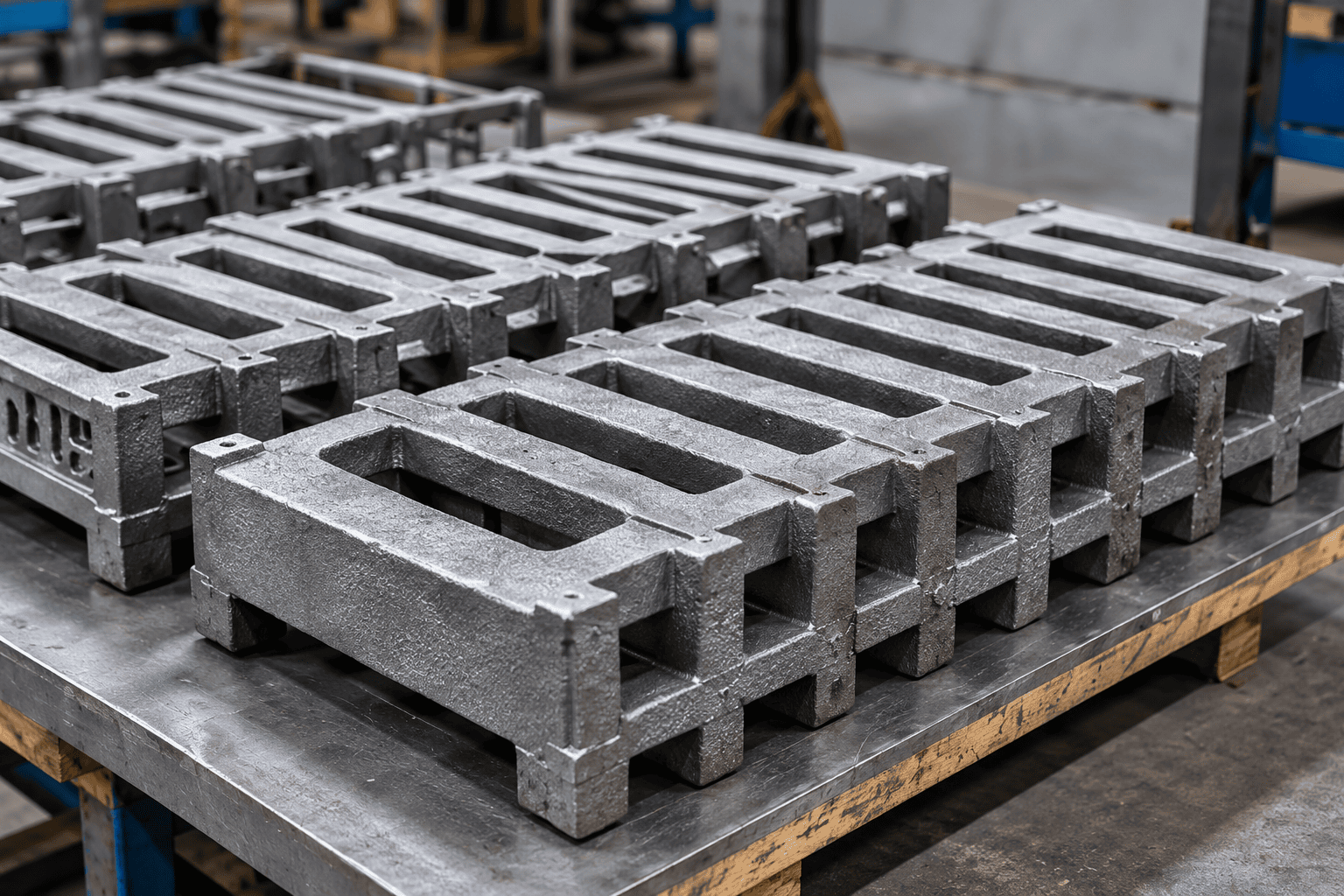
Product families are proposed catalogue applications. Share your drawing or sample to confirm BSCPL manufacturing capability and availability. Images are representative product illustrations.
01Cast load carriers for arranging and containing workpieces during heat treatment and repeated heating/cooling cycles.
Chromium-nickel heat-resistant cast grades selected for charge weight, temperature, atmosphere and thermal cycling.
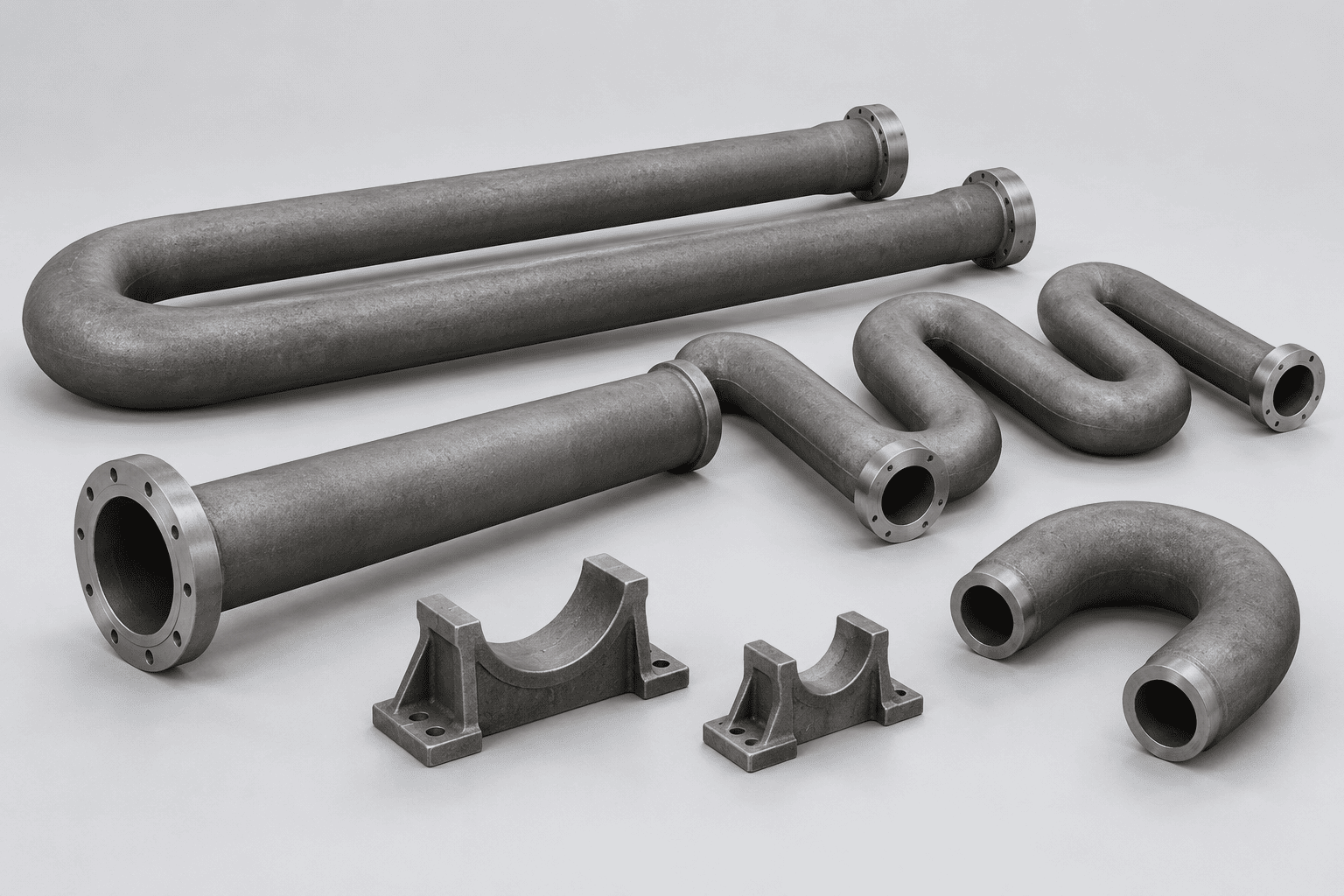 02
Hot-zone tube components and supports for industrial furnace heating systems, subject to the specified casting or fabrication route.
Manufacturing route, tube dimensions, welding and inspection requirements must be confirmed for each enquiry. Centrifugal casting or fabrication may be required.
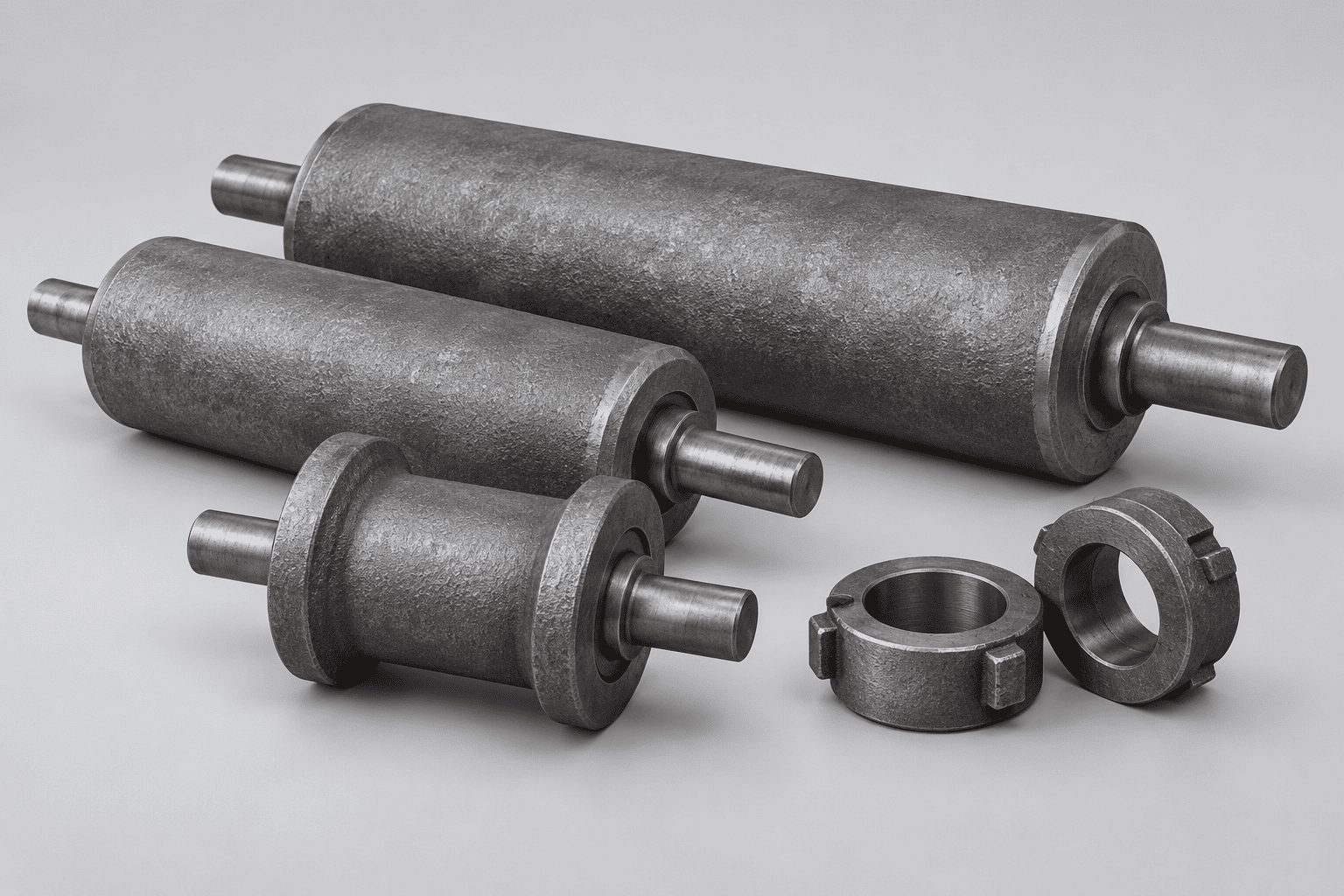 03
Cast hot-zone roller components for supporting and conveying work through suitable thermal-processing equipment.
Cast versus forged shaft construction, centrifugal casting, machining and balancing requirements to be agreed. Availability subject to technical review.
04Positioning fixtures and charge-support components designed around the workpiece geometry, treatment cycle and furnace loading.
IS 4522, ASTM A297 and EN 10295 alloy families selected for creep performance, atmosphere and thermal cycling.
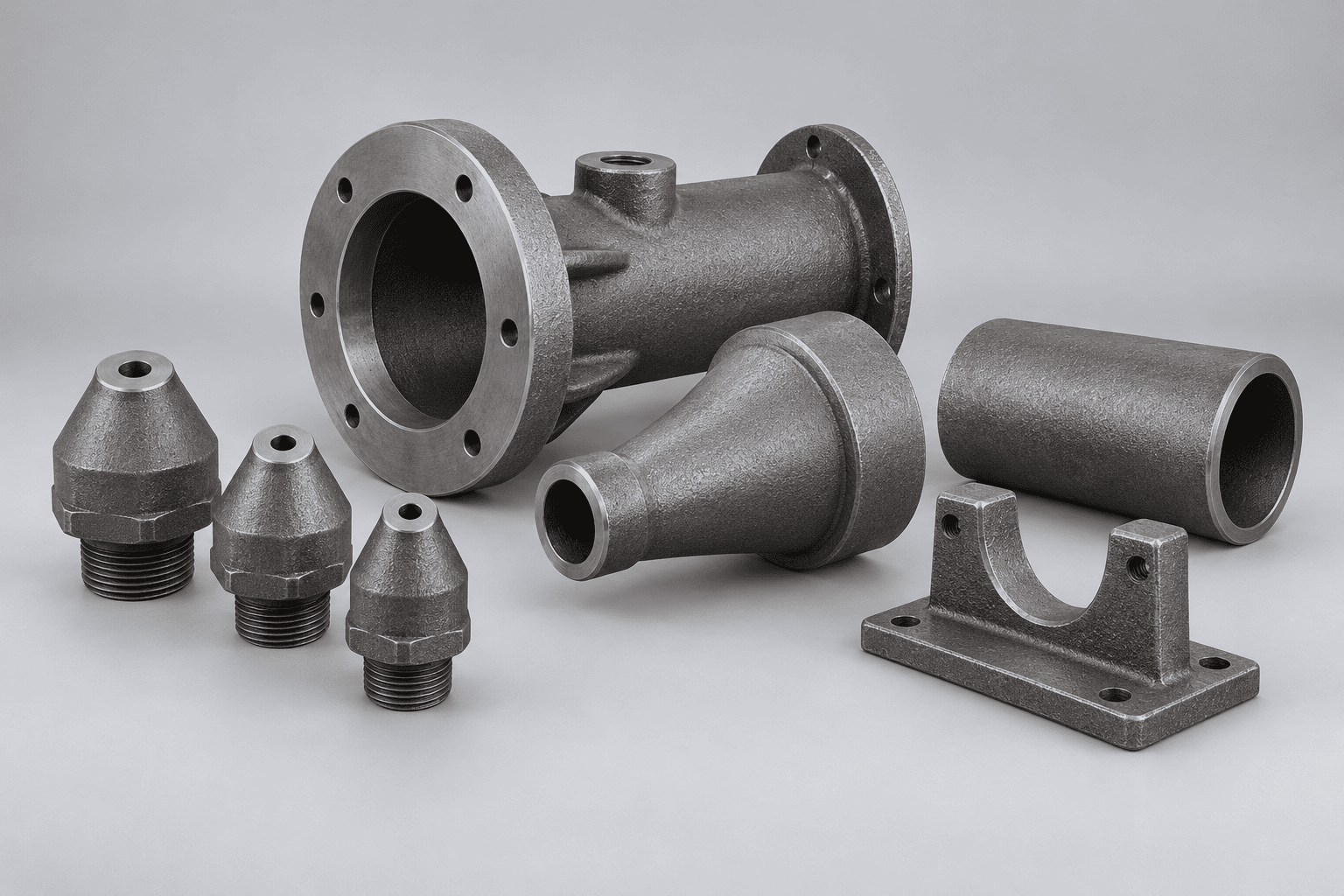 05
Application-specific cast hot-zone parts for burner assemblies and industrial combustion systems.
Heat-resistant grades selected for metal temperature, combustion atmosphere and thermal stress. Complete burner systems are outside this component listing.
06Replaceable cast parts for furnace hearths, combustion zones and selected kiln or cooler applications.
Chromium-bearing and chromium-nickel cast grades selected for temperature, oxidation, load and abrasive service.
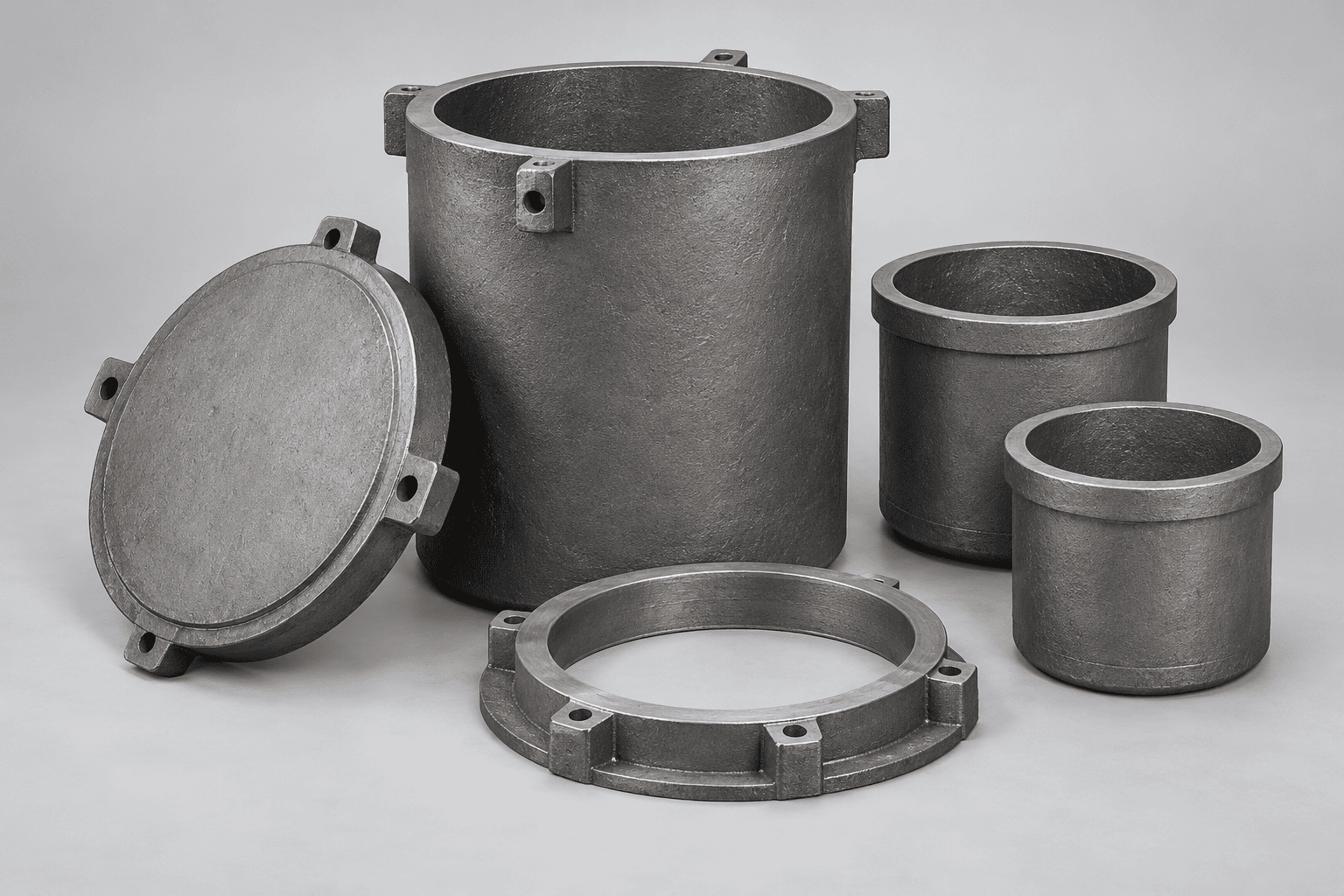 07
Cast thermal-processing components for containing or supporting furnace loads under defined temperature and atmosphere conditions.
Static casting, centrifugal casting or fabrication may be needed depending on geometry. Process route, leak testing and manufacturing feasibility to be confirmed.
08Drawing-based casting solutions for specialised equipment, replacement furnace parts and application-specific hot-zone components.
Send the drawing/sample, grade, weight, quantity, temperature, atmosphere and inspection requirements. Single castings up to 2,500 kg; capability confirmed per enquiry.
STEP-BY-STEP MANUFACTURING PROCESS
OUR MANUFACTURING PROCESS
Our manufacturing approach emphasizes appropriate material selection, controlled casting operations and application-specific inspection. The process sequence and acceptance requirements are selected for the alloy grade, casting geometry and purchase specification.
Review operating temperature, service atmosphere, mechanical loads, drawings and application requirements to select the appropriate alloy.
Develop or verify patterns with suitable shrinkage and machining allowances. Plan gating and feeding for the casting geometry.
Prepare moulds and cores suitable for the required geometry, surface finish and dimensional tolerances. Check assembly before pouring.
Melt the selected charge and alloy additions. Verify chemistry against the specified grade and make permitted adjustments before pouring.
Pour molten alloy into prepared moulds using appropriate temperature, handling and casting process controls.
Allow the casting to solidify and cool under the applicable production procedure, then remove the moulding and core material.
Remove gates and risers as appropriate. Clean, grind and finish accessible surfaces, with preliminary visual checks.
Apply heat treatment only where required by the alloy grade and purchase specification. Select the cycle for the casting section and intended service.
Complete specified machining through machining partners and verify critical dimensions, tolerances and fit against the approved drawing.
Complete visual, dimensional and applicable material or non-destructive testing according to the grade, agreed inspection plan and acceptance criteria.
Complete agreed surface finishing and final checks. Apply identification and maintain heat or batch traceability as specified.
Prepare applicable inspection and material test records, protect the castings with suitable packing and arrange dispatch against the order requirements.
PART 9 ─────
MECHANICAL & PHYSICAL PROPERTIES
Heat resistant steel castings are selected for their ability to maintain useful strength and dimensional stability at elevated temperatures. Properties depend on alloy composition, heat treatment, casting section and service conditions.
| PROPERTY | TYPICAL CHARACTERISTIC |
|---|---|
| Elevated-Temperature Tensile Strength | Ability to withstand tensile loads at the specified operating temperature. |
| Yield / Proof Strength | Resistance to permanent deformation under specified temperature and loading conditions. |
| Creep Resistance | Resistance to gradual deformation under sustained load at elevated temperatures. |
| Stress-Rupture Strength | Ability to withstand a specified stress for a defined time at elevated temperature. |
| Elongation / Ductility | Capacity for plastic deformation; varies with grade, temperature and service exposure. |
| Hardness | Depends on alloy composition, heat treatment and condition of supply. |
| Thermal Fatigue Resistance | Resistance to cracking caused by repeated heating and cooling cycles. |
| Density | Grade-dependent; used to calculate component weight. |
| Thermal Expansion | Dimensional change during heating; considered in clearances and support design. |
| Thermal Conductivity | Ability to transfer heat through the casting; varies with grade and temperature. |
| Specific Heat Capacity | Heat required to raise material temperature; influences heating and cooling response. |
| Elastic Modulus | Stiffness of the material; generally decreases as temperature rises. |
Numerical values should be stated for a specified alloy grade, test temperature and material condition. Room-temperature properties alone do not establish suitability for high-temperature service.
METALLURGICAL STRUCTURE
Microstructure influences the thermal stability, creep resistance and mechanical performance of heat resistant castings. Alloy grade, casting condition and service history determine the structure present.
Illustrative microstructure visuals
Common in nickel-bearing chromium alloys, providing a matrix for useful ductility and elevated-temperature performance.
Carbide size, shape and distribution influence high-temperature strength, creep behaviour and crack susceptibility.
Solidification produces dendritic structures that influence segregation and subsequent material properties.
Prolonged high-temperature exposure can alter carbide morphology and other microstructural features.
Illustrative visuals; actual microstructure varies with alloy grade, casting condition and service history.
QUALITY ASSURANCE & INSPECTION
A dependable heat resistant casting requires appropriate alloy chemistry, casting integrity and dimensional accuracy. Inspection also considers the specified material condition and the temperature, atmosphere and loading of the intended application.
Inspection and testing verify conformity with the selected alloy grade, approved drawings and agreed acceptance criteria.
Spectrometer analysis to verify chromium, nickel, carbon, silicon and other specified elements against the selected alloy grade.
Verification of critical dimensions, wall thickness, profiles and fitting requirements against approved drawings and tolerances.
Examination for visible cracks, surface porosity, misruns and other casting discontinuities against agreed acceptance criteria.
Hardness and tensile testing as specified. Elevated-temperature, creep or stress-rupture tests may be arranged when required by the order.
Dye penetrant and suitable ultrasonic or radiographic examination where specified. Method selection depends on alloy structure, geometry and acceptance criteria.
Assessment of matrix phases, carbide distribution, grain structure and segregation where required. Review specified heat-treatment records when applicable.
Heat or batch identification linked to chemistry, inspection results and applicable treatment records. Supply documentation as agreed in the order.
Inspection scope and acceptance criteria follow the applicable grade standard, approved drawing and purchase specification. Specialized testing and external laboratory arrangements are confirmed during enquiry review.
REQUEST FOR QUOTATION (RFQ)
Looking for furnace fixtures, trays, grate bars or other cast components for high-temperature service?
Share your technical requirements with Bhanu Special Castings. Include your drawing, preferred alloy grade, quantity, operating temperature and service atmosphere so our team can review your enquiry.
Upload drawings or share technical details of your component.
Our team reviews your requirements and suggests suitable grades and options.
Receive a detailed quotation based on your specifications and required quantity.
Application-focused support for furnaces, heat treatment equipment and industrial thermal processing.
Share the drawing, alloy grade, operating temperature, atmosphere, loading and inspection requirements. Our team will review your enquiry and contact you to discuss the quotation.
Fill in the details below to request a quotation for heat resistant steel castings.
START YOUR PROJECT WITH US
Send your drawing, metal grade and number of pieces. Tell us how the part is used. Our team will review your needs and prepare a quote.
Bhanu Special Castings Private Limited makes steel and iron castings in Vijayawada. We began in 1998. We serve mines, crushers, cement plants, power plants and other industries across India. Send us your drawing or sample to discuss the part you need.
Get in touch for product information, casting requirements and technical enquiries.
Request Product Updates →© 2026 Bhanu Special Castings Private Limited. All Rights Reserved. | Privacy Policy